Face Scarf For Men Factory






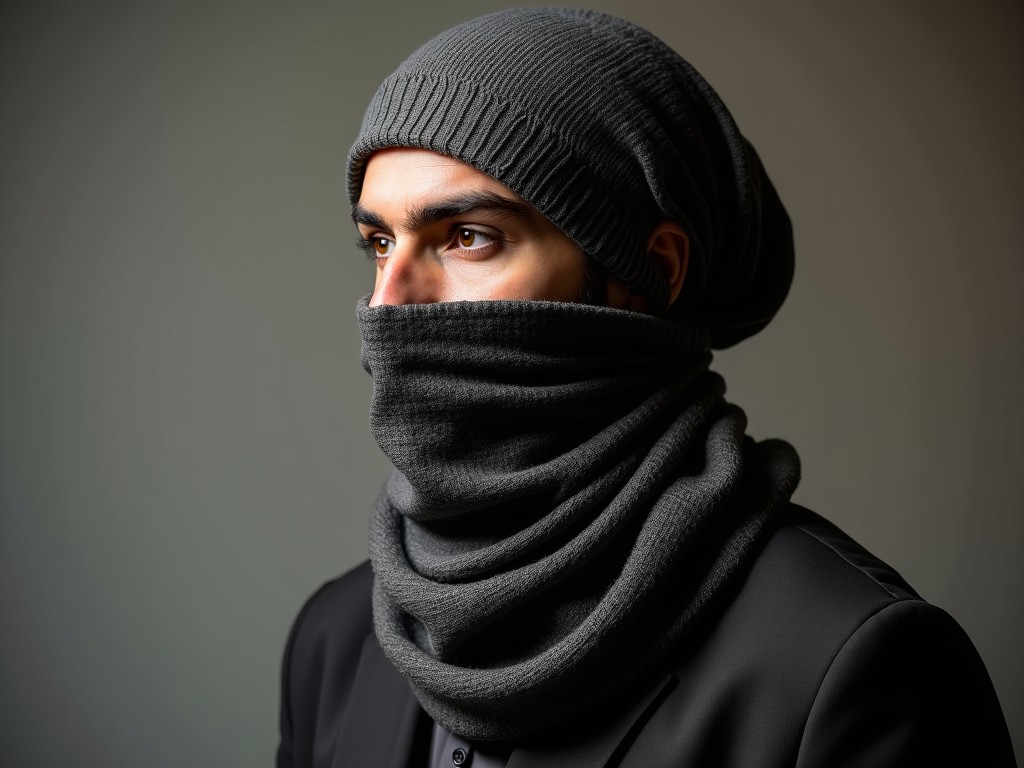
Face Scarf For Men Factory
This page details the technical specifications, material options, and manufacturing considerations for men's face scarves produced in industrial quantities. Content is structured to support
Face Scarf for Men Factory
This page details the technical specifications, material options, and manufacturing considerations for men's face scarves produced in industrial quantities. Content is structured to support procurement decisions with measurable engineering data rather than promotional claims.
Material Composition and Performance Characteristics
Face scarves for industrial use are typically constructed from woven or knitted textiles selected for breathability, moisture management, and particulate filtration efficiency. Common base materials include 100% combed cotton, polyester-cotton blends (65/35 or 50/50), and performance synthetics such as nylon or polypropylene. Fabric weight ranges from 120 to 180 GSM for standard models, with heavier variants up to 220 GSM available for cold-weather applications. Thread count influences both durability and filtration; standard constructions use 20s to 30s yarn count in warp and weft, providing a balance between airflow resistance and particle capture. Dimensional stability is evaluated through ASTM D2261 tear strength and D5034 tensile testing, with minimum values of 8 N warp and 6 N weft for tear strength, and 45 N warp and 35 N weft for tensile strength in cotton-based fabrics.
Moisture wicking capability is quantified via vertical wicking test (AATCC 197), where polyester blends typically achieve 15–25 mm rise in 30 minutes, compared to 8–12 mm for 100% cotton. Antimicrobial treatments, when applied, are evaluated using AATCC 100, with log reduction values of 2.0 or higher against Staphylococcus aureus and Klebsiella pneumoniae indicating effective performance. UV protection is measured via UPF rating; tightly woven constructions (UPF 15–30) are achievable without chemical additives, while UPF 40+ requires UV-absorbing finishes. All material selections are subject to batch-to-batch consistency checks via spectrophotometric color matching (ΔE < 2.0) and pilling resistance testing (ASTM D3512, minimum grade 3 after 5,000 cycles).
Design Parameters and Functional Tolerances
Standard face scarf dimensions are defined by three critical measurements: width (across the face), length (from chin to crown), and strap elasticity. Typical width ranges from 24 to 28 cm to ensure full coverage of nose and mouth without obstructing vision. Length varies between 30 and 35 cm, allowing sufficient material to tuck under clothing or secure behind the head. These dimensions are subject to ±0.5 cm tolerance in production, verified via optical measurement systems during inline inspection. Strap systems commonly use knitted elastic cores (polyester or rubber) wrapped in fabric, with elongation limits set between 120% and 160% under 10 N load to ensure secure fit without causing pressure points. Recovery rate after 500 stretch cycles must exceed 85% to maintain fit over product lifecycle.
Seam construction influences both comfort and durability. Flatlock stitching is standard for interior seams to minimize chafing, with stitch density maintained at 8–10 stitches per cm. Seam strength is tested per ASTM D1683, requiring minimum 15 N force to cause failure. Bar tack reinforcements are applied at stress points (e.g., strap attachments), typically using 21-stroke bartacks with polyester thread (Tex 40). Edge finishing options include rolled hem (3 mm fold, stitched twice) or overlock serging; rolled hem is preferred for skin-contact surfaces due to lower profile. All dimensional and construction tolerances are documented in a technical specification sheet provided with each quotation, allowing buyers to validate conformance against their operational requirements.
Customization Pathways and Engineering Considerations
Industrial buyers frequently require adaptations beyond standard catalog offerings. Customization pathways are categorized into material, dimensional, and functional modifications. Material changes include switching to organic cotton (GOTS-certified upon request), recycled polyester (minimum 30% post-consumer content), or adding silver-ion antimicrobial treatment (effective for 50+ wash cycles). Dimensional adjustments involve altering width, length, or strap configuration—such as converting from ear loops to headband style or adding adjustable toggles. Functional enhancements may include integrated nose wires (aluminum or polyethylene, 2–3 mm diameter) for improved seal, or layered constructions with intermediate filter pockets (accepting 5-layer or spunbond-meltblown-spunbond inserts).
Each customization request triggers a feasibility review covering tooling impact, minimum order quantity (MOQ), and lead time implications. For example, introducing a new yarn dye lot requires a minimum 5 kg batch, translating to an MOQ of approximately 1,000 units for solid colors. Adding a nose wire necessitates a separate sewing operation, increasing cycle time by 8–12 seconds per unit. Color matching for custom Pantone shades involves lab-dip approval, typically taking 3–5 business days. All customizations are documented in a product deviation record, ensuring traceability from design approval through production and inspection. Buyers are advised to provide technical drawings or physical samples for complex modifications to reduce interpretation risk.
Quality Control Philosophy and Inspection Protocol
Quality assurance follows a multi-stage approach aligned with ISO 9001 principles. Incoming fabric is inspected under 4-point system (ASTM D5430), with acceptance thresholds set at ≤40 points per 100 square yards. Major defects (holes, tears, misprints) result in immediate rejection; minor defects (slubs, shade variation) are tracked for trend analysis. During cutting, automated lay-up systems monitor ply tension to prevent distortion, with first-piece inspection verifying dimensions against CAD patterns. Sewing operations undergo hourly audits; seam strength and stitch density are checked every 2 hours using portable tensile testers and stitch counters. Final inspection occurs at 100% visual check under 1,000 lux lighting, supplemented by 2% AQL sampling for dimensional and functional tests (per ANSI/ASQ Z1.4).
Packaging integrity is verified through drop testing (ISTA 1A) and humidity exposure (40°C, 90% RH for 24 hours) to ensure protection during transit. Each batch is accompanied by a certificate of conformance detailing material composition, test results, and production date. Traceability is maintained via lot numbers linking to raw material certificates, machine logs, and operator IDs. For regulated environments (e.g., food processing, pharmaceuticals), additional documentation such as OEKO-TEX Standard 100 or ISO 10993 biocompatibility summaries can be provided upon request. Quality data is retained for 36 months to support audit trails and continuous improvement initiatives.
Typical Specifications Table
| Parameter | Typical Value | Customizable? | Test Standard |
|---|---|---|---|
| Fabric Weight | 120–180 GSM | Yes (up to 220 GSM) | ASTM D3776 |
| Width | 24–28 cm | Yes (±2 cm) | Optical Measurement |
| Length | 30–35 cm | Yes (±2 cm) | Optical Measurement |
| Tear Strength (Warp) | ≥8 N | Dependent on material | ASTM D2261 |
| Tensile Strength (Warp) | ≥45 N | Dependent on material | ASTM D5034 |
| Moisture Wicking (30 min) | 15–25 mm (poly blend) | Yes (via material choice) | AATCC 197 |
| UPF Rating | 15–30 (standard weave) | Yes (up to 50+ with finish) | AATCC 183 |
| Strap Elongation (10 N) | 120–160% | Yes (elastic core) | ASTM D4964 |
Values in the table represent typical ranges for standard production runs. Exact specifications are confirmed during sample approval and may vary based on material selection, construction details, and end-use requirements. Customizable parameters are subject to minimum order quantities and potential lead time adjustments. All test methods referenced are internationally recognized standards; equivalent methods may be used upon mutual agreement.
Applications in Industrial Environments
Face scarves are selected based on the specific hazards and comfort demands of the work environment. In woodworking or metalworking shops, where airborne particulates (sawdust, metal shavings) are prevalent, a tightly woven cotton or polyester-cotton blend provides mechanical filtration without excessive breathing resistance. The fabric’s ability to capture particles >5 microns is sufficient for nuisance dust control, while washability allows for reuse over multiple shifts. In food processing facilities, where hygiene is critical, scarves made from antimicrobial-treated polyester help mitigate bacterial growth from sweat and respiration, reducing cross-contamination risk. These are often paired with disposable inner liners for high-risk zones.
Outdoor construction and utility work require UV protection and moisture management. Scarves with UPF 30+ ratings and quick-drying synthetics (e.g., nylon-spandex blends) reduce sunburn risk and prevent sweat accumulation, which can lead to skin irritation or reduced grip on tools. In cold-storage or refrigerated logistics, heavier weight fabrics (200–220 GSM) with brushed interiors provide thermal retention without bulk, allowing workers to maintain dexterity. For welding or grinding operations, flame-resistant treatments (e.g., Proban or THPC) can be applied to cotton bases, though such specifications require separate validation due to potential trade-offs in comfort and durability. Selection should always be guided by a site-specific risk assessment rather than generic assumptions.
Procurement and Production Logistics
Lead time for standard face scarves is typically 14–21 days from approved sample and purchase order receipt, assuming fabric stock availability. Custom materials or treatments (e.g., organic dye, antimicrobial finish) may extend this to 28–35 days due to sourcing and processing cycles. Minimum order quantities start at 500 units for standard colors and constructions; custom Pantone matching or specialized finishes often require 1,000–2,000 units to justify setup costs. Sampling is available upon request, with standard samples shipped within 3–5 business days and custom samples within 7–10 days. Shipping is conducted via folded polybags (50 units per bag) placed in export cartons (500 units per carton), with dimensional weight averaging 6.5 kg per carton. Palletization follows ISO 6780 standards, with 48 cartons per pallet (24,000 units).
Payment terms are commonly net 30 days for established accounts, with proforma invoices required for first-time buyers. Quotations are valid for 30 days and include FOB pricing; CIF or DDP terms are available upon request. All pricing is volume-dependent, with tiered breaks at 1,000, 5,000, and 10,000 units. Buyers are advised to provide forecast data to enable efficient production planning and inventory buffering. For just-in-time delivery, consignment stock or call-off arrangements can be discussed. Documentation provided with each shipment includes commercial invoice, packing list, certificate of origin, and material safety data sheet (if applicable). No product claims regarding disease prevention or medical efficacy are made or implied in any commercial documentation.
For technical inquiries, sample requests, or quotation discussions, please contact our engineering team via the link below. We recommend submitting your application details, required quantities, and any known constraints (e.g., laundry cycles, environmental exposure) to receive a tailored response.
Request Technical ConsultationProducts
Related Products
News
Related News

2026-11-02
Cotton Voile Scarf Manufacturing and Performance Analysis how to make a cotton voile scarfCreating a professional-grade cotton voile scarf requires a precise balance of textile engineering and artisanal finishing. Unlike standard cotton weaves, voile is defined by its p···

2026-10-28
chiffon hijab Technical Production and Performance AnalysisSelecting the right fabric for a hijab involves a delicate balance between modesty, breathability, and aesthetic drape. For many women in Southeast Asia and the Middle East, the ma···

2026-10-26
custom silk scarf textile manufacturing and performance analysisSelecting a high-quality scarf is no longer just about color matching; it is an exercise in understanding how textile weight, drape, and print scale interact with individual facial···
