Dimensions Of Mens Scarf






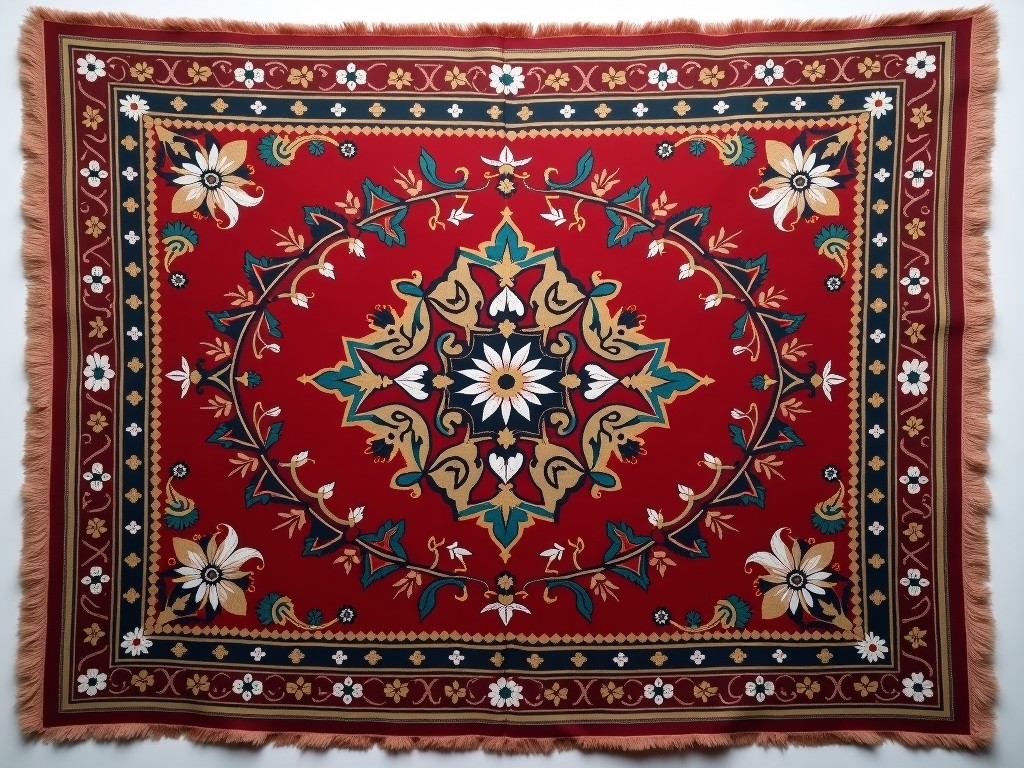
Dimensions Of Mens Scarf
When sourcing men's scarves for bulk distribution, uniform dimensions directly impact packaging efficiency, display consistency, and end-user satisfaction. This page details the standardized
Dimensions of Men's Scarf: Technical Specifications for Industrial Procurement
When sourcing men's scarves for bulk distribution, uniform dimensions directly impact packaging efficiency, display consistency, and end-user satisfaction. This page details the standardized measurements used in industrial manufacturing, enabling procurement teams to evaluate suitability for specific applications such as retail packaging, uniform programs, or promotional distribution.
Standard Length and Width Parameters
The most common dimensions for men's scarves in industrial production range from 150 cm to 180 cm in length and 15 cm to 30 cm in width. These proportions balance drape functionality with fabric utilization efficiency. Length is measured along the selvage edge from tip to tip, excluding fringe or tassels if present. Width is taken perpendicular to the length, across the widest point of the folded fabric.
Shorter lengths (140–150 cm) are typically reserved for lightweight fabrics like silk or modal, where excessive length reduces wearability. Longer lengths (170–190 cm) accommodate heavier weaves such as wool blends or cashmere, allowing for multiple wrapping styles. Widths below 12 cm are uncommon in men's styles due to insufficient coverage, while widths exceeding 35 cm risk disproportionate bulk when worn.
Tolerance Standards and Measurement Protocol
Industrial production accepts dimensional tolerances of ±2% for length and ±3% for width, accounting for fabric relaxation, cutting variability, and sewing shrinkage. Measurements are conducted under standardized conditions: 20°C ambient temperature, 65% relative humidity, and zero tension on the fabric. All readings are taken after a 24-hour conditioning period post-production to stabilize hygroscopic fibers.
Quality control uses calibrated steel rules or laser measuring systems, with readings taken at three points along the length and width. The average of these measurements determines compliance. For patterned scarves, alignment of repeat motifs is verified separately from dimensional checks to avoid misleading measurements caused by design placement.
Material-Specific Dimensional Behavior
Natural fibers such as wool and cotton exhibit greater dimensional change than synthetics due to moisture absorption and thermal expansion. A 100% wool scarf may shrink up to 5% in length after the first wash if not pre-treated, whereas polyester blends typically show less than 1% change. Manufacturers apply sanforization or resin finishing to stabilize cellulosic fibers, reducing length variation to under 1.5%.
Width stability is influenced by weave structure. Twill and herringbone weaves resist width distortion better than plain weave under tension. Loose-knit constructions, while softer, are prone to width growth during handling and require stabilizer backing in production. These factors are considered during pattern making, where initial cut dimensions are adjusted to compensate for predicted changes.
Comparison of Common Dimensional Ranges by Use Case
| Use Case | Typical Length (cm) | Typical Width (cm) | Primary Consideration |
|---|---|---|---|
| Retail Display | 160–170 | 20–25 | Standard folding for shelf presentation |
| Uniform Programs | 150–160 | 18–22 | Neat tucking under collars, minimal bulk |
| Promotional Bulk | 150–180 | 20–30 | Fabric yield optimization, dye lot consistency |
| Luxury Cashmere | 170–190 | 25–30 | Drape characteristics, fringe integration |
Customization and Pattern Making Adjustments
When non-standard dimensions are required, pattern makers adjust the base block using shrinkage coefficients derived from fabric testing. For example, a client requesting a 175 cm finished length in a 100% modal scarf may receive a cut length of 182 cm to account for 4% predicted relaxation. Width adjustments follow similar logic, factoring in curl tendency in jersey fabrics or flare in biased cuts.
Custom fringes, tassels, or rolled hems add to the effective length but are excluded from core dimensional specifications unless otherwise agreed. Industrial buyers should specify whether measurements include or exclude decorative elements to avoid discrepancies during inspection. Tolerance bands may be tightened for high-precision applications such as airline uniforms or military suppliers, where dimensional consistency affects assembly line compatibility.
For technical inquiries regarding dimensional validation, material behavior under environmental stress, or custom sizing for large-volume orders, contact our engineering team to discuss your specific requirements.
Products
Related Products
News
Related News

2026-11-02
Cotton Voile Scarf Manufacturing and Performance Analysis how to make a cotton voile scarfCreating a professional-grade cotton voile scarf requires a precise balance of textile engineering and artisanal finishing. Unlike standard cotton weaves, voile is defined by its p···

2026-10-28
chiffon hijab Technical Production and Performance AnalysisSelecting the right fabric for a hijab involves a delicate balance between modesty, breathability, and aesthetic drape. For many women in Southeast Asia and the Middle East, the ma···

2026-10-26
custom silk scarf textile manufacturing and performance analysisSelecting a high-quality scarf is no longer just about color matching; it is an exercise in understanding how textile weight, drape, and print scale interact with individual facial···
