China Muslim Scarf For Men






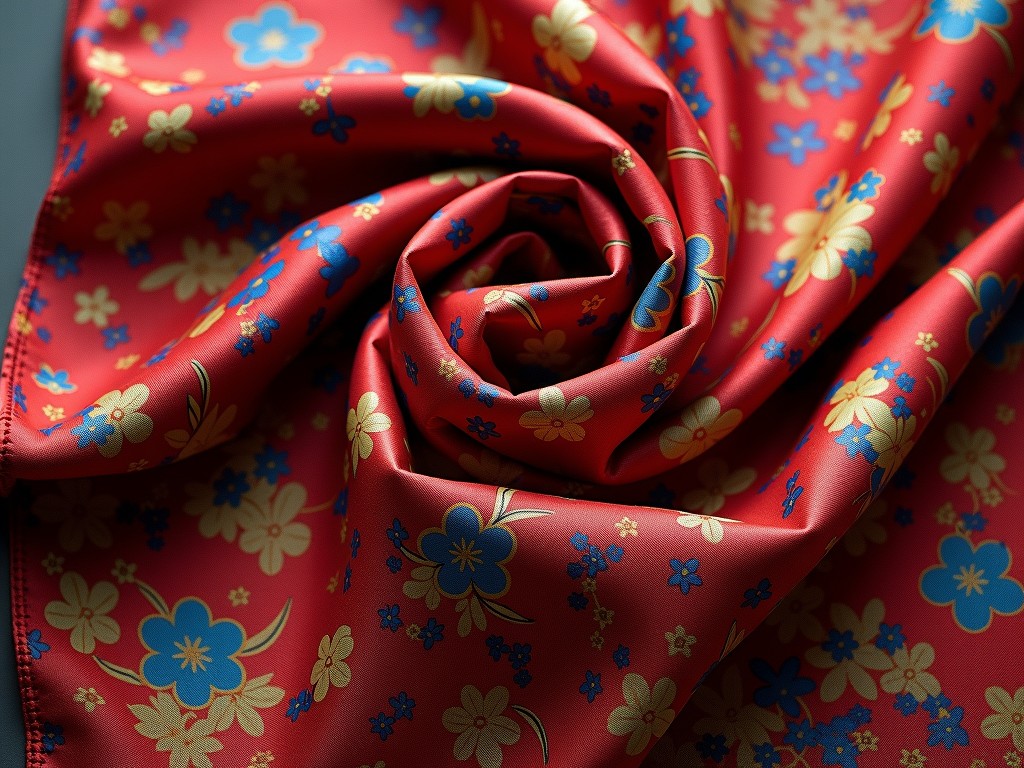
China Muslim Scarf For Men
Muslim men’s scarves, commonly referred to as keffiyeh, ghutra, or shemagh, serve both cultural and functional purposes in diverse climatic and social environments. In industrial and occupational
China Muslim Scarf for Men – Industrial Product Overview
Muslim men’s scarves, commonly referred to as keffiyeh, ghutra, or shemagh, serve both cultural and functional purposes in diverse climatic and social environments. In industrial and occupational settings, these garments are selected not only for religious or traditional compliance but also for practical attributes such as sun protection, dust mitigation, and thermal regulation. This product page outlines the technical specifications, material options, dimensional standards, and manufacturing considerations relevant to bulk procurement for workwear, uniform programs, or regional distribution.
Understanding the construction, fiber composition, and finishing processes enables buyers to assess suitability for specific use cases—ranging from outdoor labor in arid zones to indoor service roles requiring modesty compliance. The following sections detail measurable characteristics that influence performance, durability, and supplier selection.
Material Composition and Fiber Properties
The base fabric of industrial-grade Muslim scarves for men is typically woven from natural fibers, synthetic blends, or specialized technical textiles. Cotton remains the most prevalent choice due to its breathability, moisture absorption, and hypoallergenic properties—particularly valuable in high-temperature environments where sweat management impacts comfort and safety. Standard cotton scarves often use combed or carded yarns in the range of 20s to 40s Ne (English cotton count), with tighter weaves (e.g., 68x68 threads per inch) offering improved resistance to fraying and particulate penetration.
For enhanced durability in abrasive or dusty conditions, polyester-cotton blends (commonly 65/35 or 50/50 ratios) are frequently specified. These blends reduce shrinkage, improve wrinkle resistance, and increase tensile strength—measured typically between 25–35 N/tex for warp and 20–30 N/tex for weft in standardized strip tests. In regions with intense UV exposure, scarves may be treated with UV-stabilizing additives or constructed from solution-dyed acrylic or modacrylic fibers, which retain colorfastness (AATCC 16.3 rating ≥4 after 40 hours UV exposure) and resist degradation.
Alternative materials such as bamboo viscose or Tencel® lyocell are available upon request for applications prioritizing biodegradability or antimicrobial performance. These fibers exhibit moisture regain rates of 10–12% (vs. cotton’s 8.5%) and demonstrate inherent odor inhibition due to pH-neutral surfaces. However, their lower abrasion resistance (Martindale cycles typically <15,000) limits use in high-friction industrial roles unless reinforced with synthetic core-spun yarns.
Dimensional Standards and Cut Specifications
Industrial procurement relies on consistent sizing to ensure uniform appearance and functional coverage. Standard men’s scarves are manufactured as square or near-square panels, with nominal dimensions ranging from 110 cm × 110 cm to 130 cm × 130 cm. The most common industrial specification is 115 cm × 110 cm, allowing for multiple wrapping styles (e.g., folded triangle, full wrap, or shoulder drape) while minimizing fabric waste during cutting. Tolerances are typically held to ±2 cm in length and width under relaxed conditions, measured per ISO 3059:2017 using conditioned specimens (20°C, 65% RH).
Edge finishing significantly affects longevity and safety. Raw-cut edges are avoided in occupational use due to fraying risks. Instead, scarves feature either:
- Double-folded hem with 3–4 mm width, secured by lockstitch (stitch density: 8–10 stitches/cm)
- Overlocked (serged) edge with 3-thread coverage, width approximately 5 mm
- Heat-cut and sealed edge (for synthetic blends only), preventing unraveling without added weight
Aspect ratio consistency is critical for patterned designs (e.g., traditional black-and-white or red-and-white checks). Registration tolerance during printing or dyeing must remain within ±3 mm to prevent diagonal misalignment when folded. Buyers should verify pattern repeat alignment via first-article inspection, particularly for jacquard-woven or digitally printed variants where motif continuity impacts perceived quality.
Colorfastness and Dyeing Methods
Color retention is a key performance indicator, especially for scarves subjected to frequent washing, solar exposure, or industrial laundering. Reactive dyeing is standard for cotton-based fabrics, providing covalent bonds between dye molecules and cellulose fibers, resulting in washfastness ratings of 4–5 (ISO 105-C06) after 20 cycles at 60°C. For polyester blends, disperse dyeing under high temperature (180–210°C) and pressure is required, achieving similar washfastness but with higher energy input.
Lightfastness, measured per ISO 105-B02, is particularly relevant for outdoor use. Standard reactive-dyed cotton typically achieves ratings of 3–4 after 20 hours of xenon arc exposure. To meet industrial demands for prolonged UV resistance (e.g., construction, agriculture, security), pigment dyeing or UV-protective finishes may be applied, boosting lightfastness to 5–6. However, pigment systems can reduce fabric breathability by 15–20% due to surface film formation, necessitating trade-off analysis between color durability and thermal comfort.
Color bleeding during initial washes is a common concern in bulk orders. To mitigate this, reputable manufacturers conduct pre-wash stabilization (sanforization) and use fixing agents post-dyeing. Buyers should request crocking test data (ISO 105-X12: dry and wet transfer) with values ≥3–4 for both axes to ensure minimal dye transfer to skin or adjacent garments. Custom Pantone matching is available, but lab-dip approval is mandatory before bulk production due to metamerism risks under different light sources.
Typical Specification Table
| Parameter | Typical Value | Notes |
|---|---|---|
| Fabric Weight | 120–180 g/m² | Dependent on yarn count and weave density |
| Thread Count (Warp x Weft) | 68x68 to 80x60 threads/inch | Higher counts improve wind resistance |
| Tensile Strength (Warp) | 25–35 N/tex | ASTM D5034, grab test |
| Tensile Strength (Weft) | 20–30 N/tex | Lower due to weft-facing construction |
| Shrinkage (After 3 Washes) | ≤3% (Length), ≤2% (Width) | AATCC 135, conditioned |
| UV Protection (UPF) | 15–30 (untreated), 40–50+ (UV-treated) | AATCC 183, dependent on weave and additives |
| Standard Size | 115 cm × 110 cm | Tolerance: ±2 cm |
| Edge Finish Options | Hemmed, Overlocked, Heat-Sealed | Selected based on material and use case |
Customization and Private Label Considerations
Industrial buyers often require tailored specifications to align with uniform programs, regional preferences, or branding requirements. Customization extends beyond color and size to include weave structure, edge treatment, and packaging logic. For example, organizations operating in high-particulate environments may opt for a tighter plain weave (e.g., 80x80 threads/inch) to reduce airborne fiber inhalation, accepting a 10–15% reduction in air permeability. Conversely, those prioritizing evaporative cooling in humid climates may select an open basket weave or linen-cotton blend, trading some durability for enhanced airflow.
Private labeling is commonly implemented via woven labels, heat-transfer tags, or embroidered patches. Woven labels (typically 40×15 mm, polyester thread) are sewn into a corner hem and withstand repeated industrial laundering. Embroidery, while visually durable, adds localized stiffness and may affect drape—suitable for emblematic placement but not full-surface decoration. Buyers should confirm label placement does not interfere with folding patterns or create pressure points during extended wear.
Packaging configurations influence handling and distribution efficiency. Scarves are typically folded to 20×20 cm units and packed in polybags (50–100 units per bale) or compressed into vacuum-sealed rolls for long-term storage. For just-in-time delivery systems, flat-packed cartons with internal dividers reduce creasing and facilitate direct shelving. Carton markings can include barcodes, QR codes for traceability, or country-of-origin labels as required by import regulations. All customization requests should be submitted with technical sketches or physical samples to avoid misinterpretation during prototyping.
Quality Control and Inspection Protocol
Consistent quality in bulk orders depends on standardized inspection criteria applied at multiple stages: incoming raw material, in-process production, and final random sampling. Fabric inspection follows the 4-point system (ASTM D5430), where defects are assigned penalty points based on length and width—acceptable thresholds are typically ≤40 points per 100 square yards for industrial grade. Common defects monitored include broken picks, misdraws, dye streaks, and uneven tension in selvedges.
Dimensional stability is verified using a relaxed-state measurement protocol after conditioning. Each batch undergoes testing for length, width, and squareness (diagonal difference ≤1.5 cm). Color consistency is assessed via spectrophotometer (ΔE < 2.0 under D65 illumination) against approved lab-dips. For orders with specific end-use requirements—such as flame resistance or antimicrobial treatment—additional testing is conducted per relevant standards (e.g., ISO 15025 for vertical flame, ISO 20743 for antimicrobial efficacy), with certificates provided upon request.
Pre-shipment inspection includes visual checks for staining, odor, and foreign fiber contamination. Packaging integrity is validated through drop tests (ISTA 1A) and humidity exposure simulations. Buyers may appoint third-party inspectors (e.g., SGS, Bureau Veritas) to conduct AQL-based sampling (typically II, AQL 2.5 for major defects, 4.0 for minor). Clear acceptance criteria, defined in the purchase order, reduce disputes and ensure alignment between technical expectations and delivered goods.
For technical inquiries, specification sheets, or to request a formal quotation based on your operational requirements, please contact our industrial textiles team.
Request Quotation
Consistent quality in bulk orders depends on standardized inspection criteria applied at multiple stages: incoming raw material, in-process production, and final random sampling. Fabric inspection follows the 4-point system (ASTM D5430), where defects are assigned penalty points based on length and width—acceptable thresholds are typically ≤40 points per 100 square yards for industrial grade. Common defects monitored include broken picks, misdraws, dye streaks, and uneven tension in selvedges.
Dimensional stability is verified using a relaxed-state measurement protocol after conditioning. Each batch undergoes testing for length, width, and squareness (diagonal difference ≤1.5 cm). Color consistency is assessed via spectrophotometer (ΔE < 2.0 under D65 illumination) against approved lab-dips. For orders with specific end-use requirements—such as flame resistance or antimicrobial treatment—additional testing is conducted per relevant standards (e.g., ISO 15025 for vertical flame, ISO 20743 for antimicrobial efficacy), with certificates provided upon request.
Pre-shipment inspection includes visual checks for staining, odor, and foreign fiber contamination. Packaging integrity is validated through drop tests (ISTA 1A) and humidity exposure simulations. Buyers may appoint third-party inspectors (e.g., SGS, Bureau Veritas) to conduct AQL-based sampling (typically II, AQL 2.5 for major defects, 4.0 for minor). Clear acceptance criteria, defined in the purchase order, reduce disputes and ensure alignment between technical expectations and delivered goods.
For technical inquiries, specification sheets, or to request a formal quotation based on your operational requirements, please contact our industrial textiles team.
Request QuotationProducts
Related Products
News
Related News

2026-11-02
Cotton Voile Scarf Manufacturing and Performance Analysis how to make a cotton voile scarfCreating a professional-grade cotton voile scarf requires a precise balance of textile engineering and artisanal finishing. Unlike standard cotton weaves, voile is defined by its p···

2026-10-28
chiffon hijab Technical Production and Performance AnalysisSelecting the right fabric for a hijab involves a delicate balance between modesty, breathability, and aesthetic drape. For many women in Southeast Asia and the Middle East, the ma···

2026-10-26
custom silk scarf textile manufacturing and performance analysisSelecting a high-quality scarf is no longer just about color matching; it is an exercise in understanding how textile weight, drape, and print scale interact with individual facial···
