China Male Muslim Head Wrap

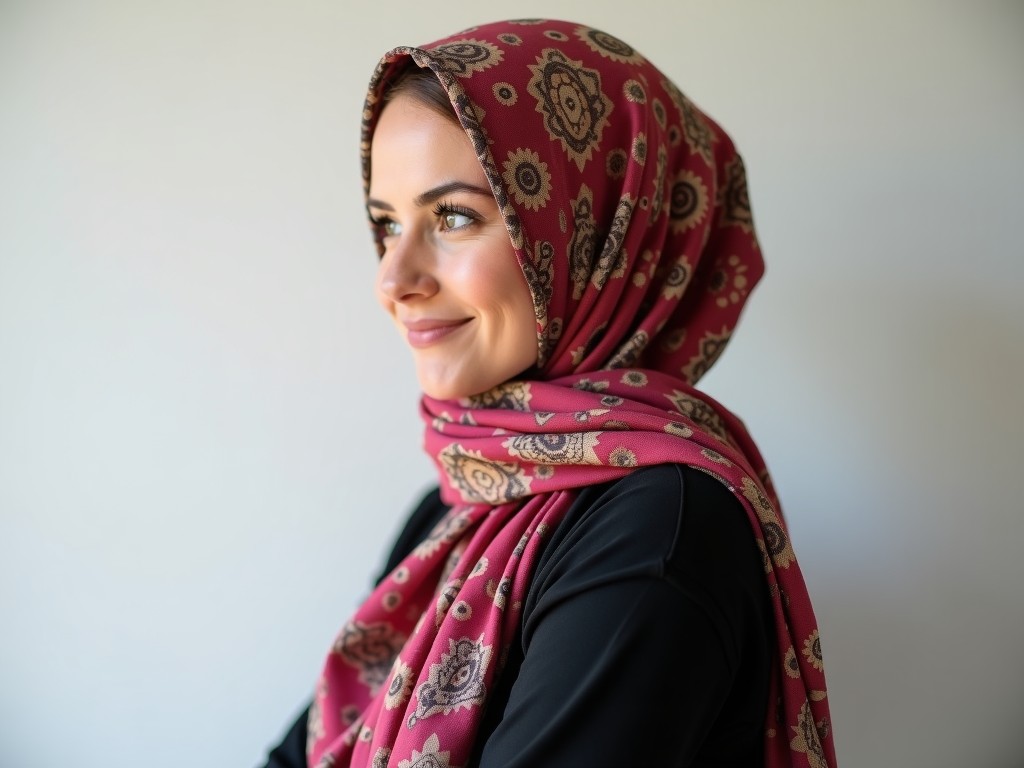
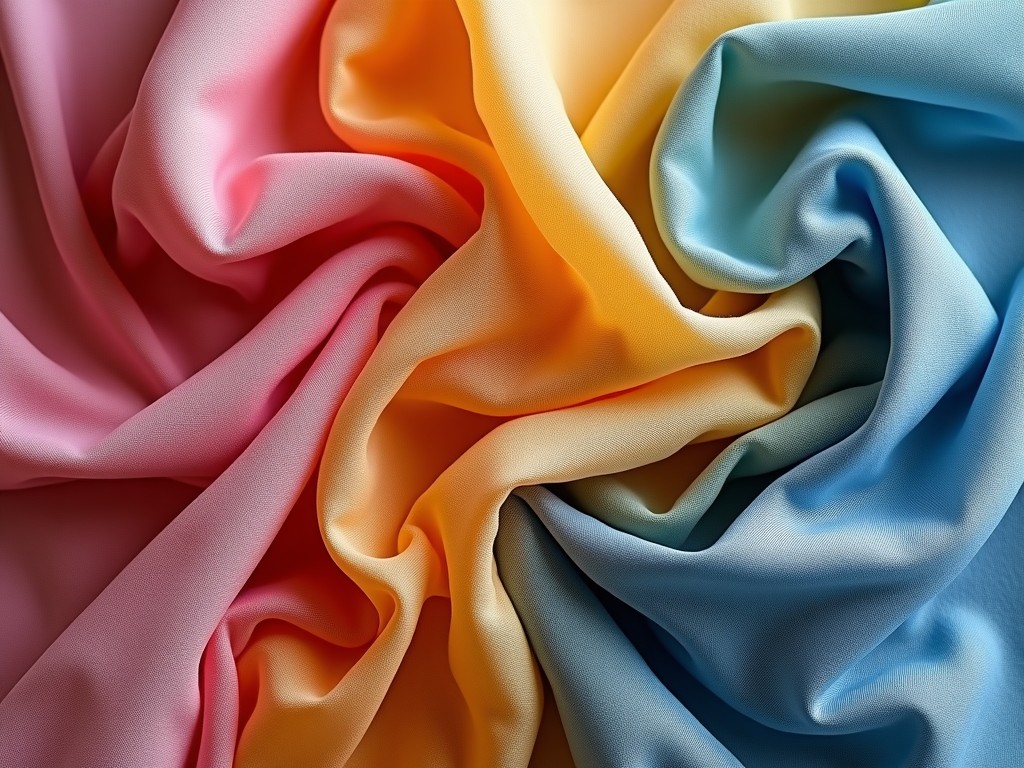
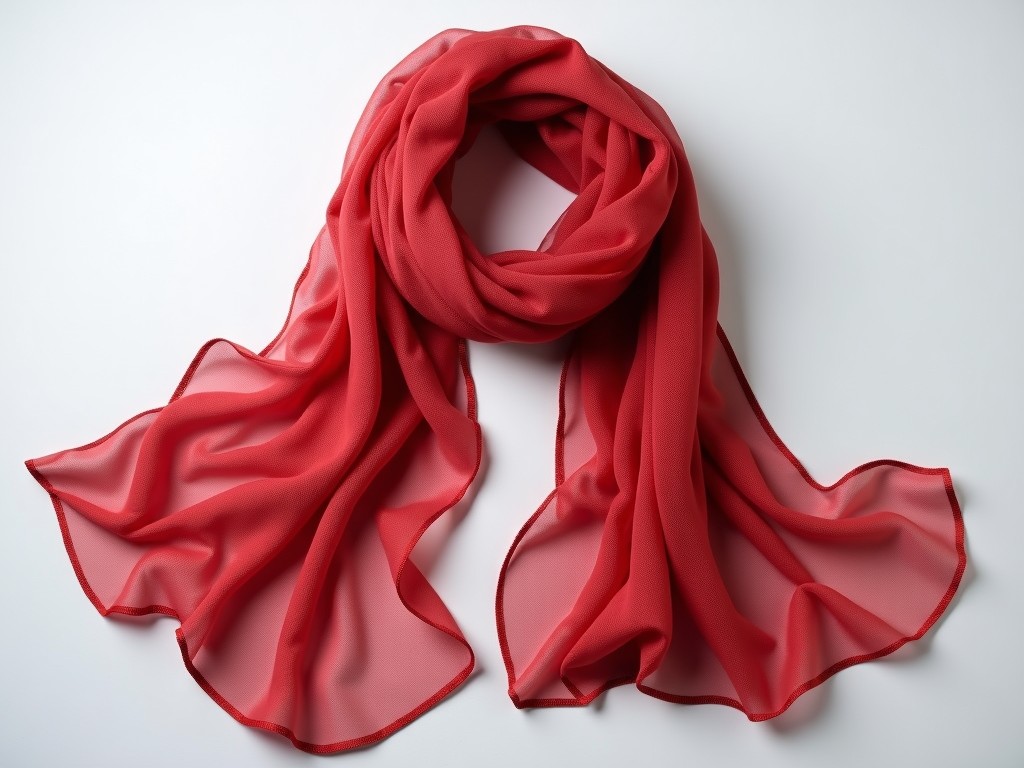
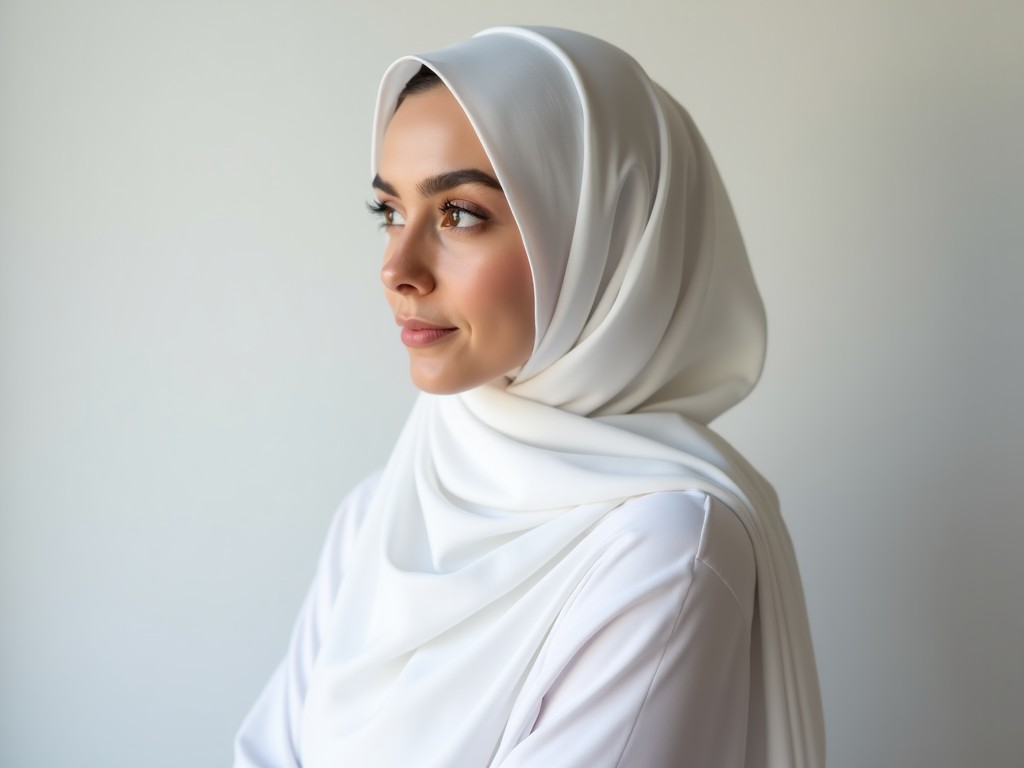
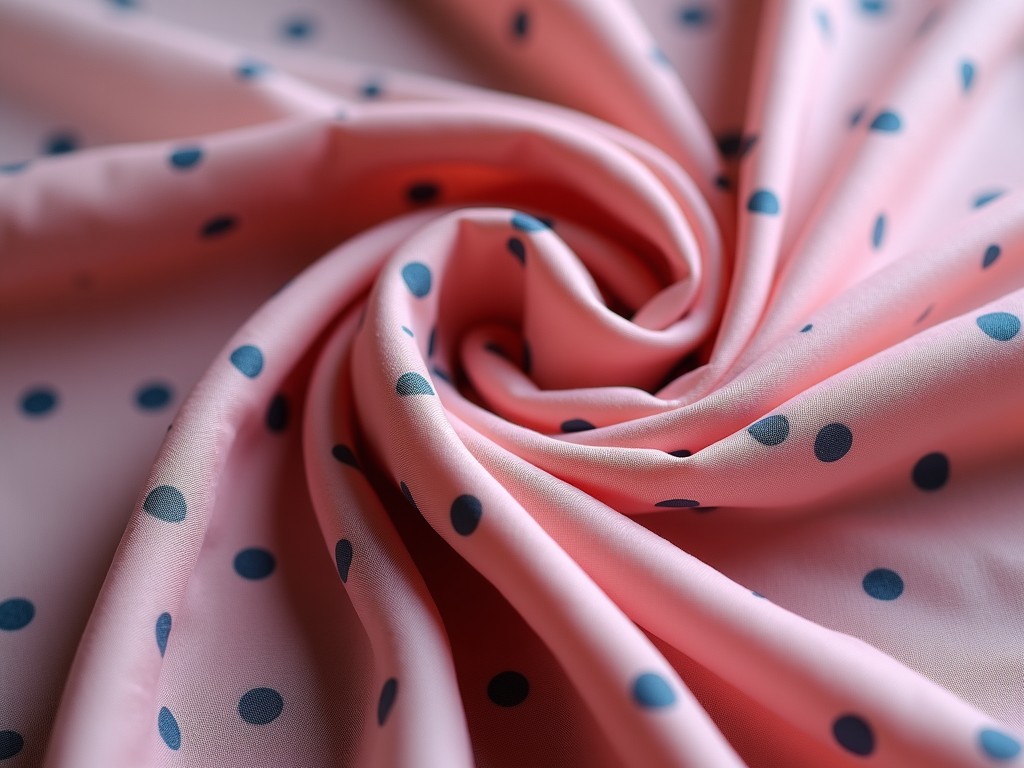

China Male Muslim Head Wrap
This document provides engineering-focused specifications for male Muslim head wraps manufactured in China, intended for B2B procurement. Content emphasizes material properties, dimensional
China Male Muslim Head Wrap Technical Specification Guide
This document provides engineering-focused specifications for male Muslim head wraps manufactured in China, intended for B2B procurement. Content emphasizes material properties, dimensional tolerances, and application-specific performance to support informed purchasing decisions.
Each section addresses technical considerations relevant to industrial buyers, including fabric construction, colorfastness standards, and customization parameters. Information avoids subjective claims in favor of measurable characteristics.
Tables and lists are used where they enhance clarity of technical data. All specifications reflect typical manufacturing capabilities; exact values require project-specific confirmation.
Material Composition and Fabric Properties
Head wraps are commonly produced using polyester-cotton blends, viscose, or 100% cotton, each offering distinct performance traits. Polyester-cotton (65/35) provides wrinkle resistance and dimensional stability after repeated washing, with typical tensile strength ranging from 25–35 N/tex. 100% cotton variants offer higher moisture regain (7–8%) but may exhibit 3–5% dimensional change after initial wash cycles.
Viscose fabrics deliver soft hand feel and drape but require careful handling during wet processing to prevent shrinkage exceeding 2%. Fabric weight typically ranges from 120–180 GSM for seasonal versatility, with lighter weights (100–110 GSM) used in warmer climates and heavier constructions (200–220 GSM) for cooler environments.
Colorfastness to washing and light is evaluated per ISO 105-B02 and ISO 105-B04 standards. Acceptable ratings for industrial procurement generally require minimum 3–4 for washing and 4 for light exposure. Reactive dyes are preferred for cotton-based fabrics due to superior bond stability, while disperse dyes are standard for polyester blends.
Dimensional Standards and Tolerances
Standard head wrap dimensions follow regional wearing patterns, with length typically between 180–220 cm and width ranging from 65–85 cm. These proportions accommodate common wrapping styles while allowing for individual adjustment. Tolerance on length is usually ±2% and on width ±1.5%, measured under standard atmospheric conditions (20°C, 65% RH).
Finished edges are commonly hemmed with a 3–5 mm double-fold stitch to prevent fraying, adding minimal bulk to the perimeter. Some specifications include a tapered end (reducing width by 2–3 cm over 10–15 cm) to facilitate secure tucking during wear. Edge stitch density averages 8–10 stitches per cm for durability.
For bulk orders, manufacturers provide dimensional inspection reports based on AQL 2.5 sampling per ISO 2859-1. Measurements are taken using calibrated steel rules or vision systems, with results recorded in technical dossiers. Custom lengths or widths require updated pattern grading and may affect material yield calculations.
Customization Parameters and Limitations
Customization options include fabric selection, color matching, edge finishing, and packaging configuration. Color matching follows Pantone or RAL standards, with lab-dip approval required before bulk production. Minimum order quantities for custom colors typically start at 500 units per shade due to dye bath setup constraints.
Edge treatments can be modified to include rolled hems, piping, or decorative stitching, though these alter production time and cost. Adding functional elements such as internal labels or barcode tags is feasible but requires redesign of the sewing sequence. Embroidery or printing is generally avoided on the main body to preserve fabric integrity and comfort.
Packaging options range from polybagged units (50–100 pcs per carton) to bulk packing in woven sacks. Carton dimensions are optimized for palletization (e.g., 40×30×20 cm), with weight limits adhered to for freight efficiency. Custom labeling or barcoding on packaging is available upon request.
Quality Control and Inspection Points
Quality assurance integrates inline checks during cutting, sewing, and final inspection. Fabric inspection occurs at 100% width using 4-point or 10-point systems to assess defects such as holes, stains, or yarn faults. Sewing quality is monitored via random seam strength testing (minimum 10 N/cm) and stitch density verification.
Final inspection includes dimensional verification, color consistency under D65 lighting, and packaging correctness. AQL levels are applied based on defect severity: critical (0.1), major (1.0), minor (2.5). Reports include defect classification, photographic evidence, and corrective action tracking.
Test reports for colorfastness, dimensional stability, and pilling resistance (ISO 12945-2) are available upon request. Manufacturers may provide OEKO-TEX® Standard 100 certification for skin-contact safety, verifying absence of harmful substances. All documentation is retained for traceability throughout the supply chain.
Typical Specifications Table
| Parameter | Typical Range | Test Standard |
|---|---|---|
| Fabric Weight | 120–180 GSM | ISO 3801 |
| Length | 180–220 cm | ISO 3018 |
| Width | 65–85 cm | ISO 3018 |
| Colorfastness to Washing | 3–4 (min) | ISO 105-B02 |
| Colorfastness to Light | 4 (min) | ISO 105-B04 |
| Tensile Strength (Warp) | 25–35 N/tex | ISO 13934-1 |
| Shrinkage (Wash) | 3–5% (cotton) | ISO 6330 |
Values in the table represent typical production capabilities. Actual specifications depend on fabric composition, yarn count, and finishing processes. Custom requirements necessitate engineering review to confirm feasibility and adjust tolerances accordingly.
Application Considerations
Head wraps are selected based on climate, activity level, and cultural preferences. In high-humidity environments, moisture-wicking finishes or hydrophilic treatments improve comfort by managing sweat accumulation. For extended wear, antimicrobial finishes (e.g., silver-ion based) may be applied to reduce odor development, though these require validation for skin safety.
Industrial buyers in distribution or uniform supply chains prioritize consistent color matching across batches and resistance to fading under frequent washing. Fabrics with higher polyester content retain color intensity longer under UV exposure, making them suitable for outdoor use. Lightweight constructions are preferred in regions with average temperatures above 25°C.
Packaging logic considers handling efficiency and contamination protection. Units are often folded to standardized dimensions (e.g., 20×10×5 cm) to optimize carton filling and reduce creasing. Polyethylene liners inside cartons provide moisture barrier properties for sea freight, while silica gel packets control internal humidity.
Products
Related Products
News
Related News
2026-11-02
Cotton Voile Scarf Manufacturing and Performance Analysis how to make a cotton voile scarfCreating a professional-grade cotton voile scarf requires a precise balance of textile engineering and artisanal finishing. Unlike standard cotton weaves, voile is defined by its p···
2026-10-28
chiffon hijab Technical Production and Performance AnalysisSelecting the right fabric for a hijab involves a delicate balance between modesty, breathability, and aesthetic drape. For many women in Southeast Asia and the Middle East, the ma···
2026-10-26
custom silk scarf textile manufacturing and performance analysisSelecting a high-quality scarf is no longer just about color matching; it is an exercise in understanding how textile weight, drape, and print scale interact with individual facial···