Buy Scarf For Men In Summer
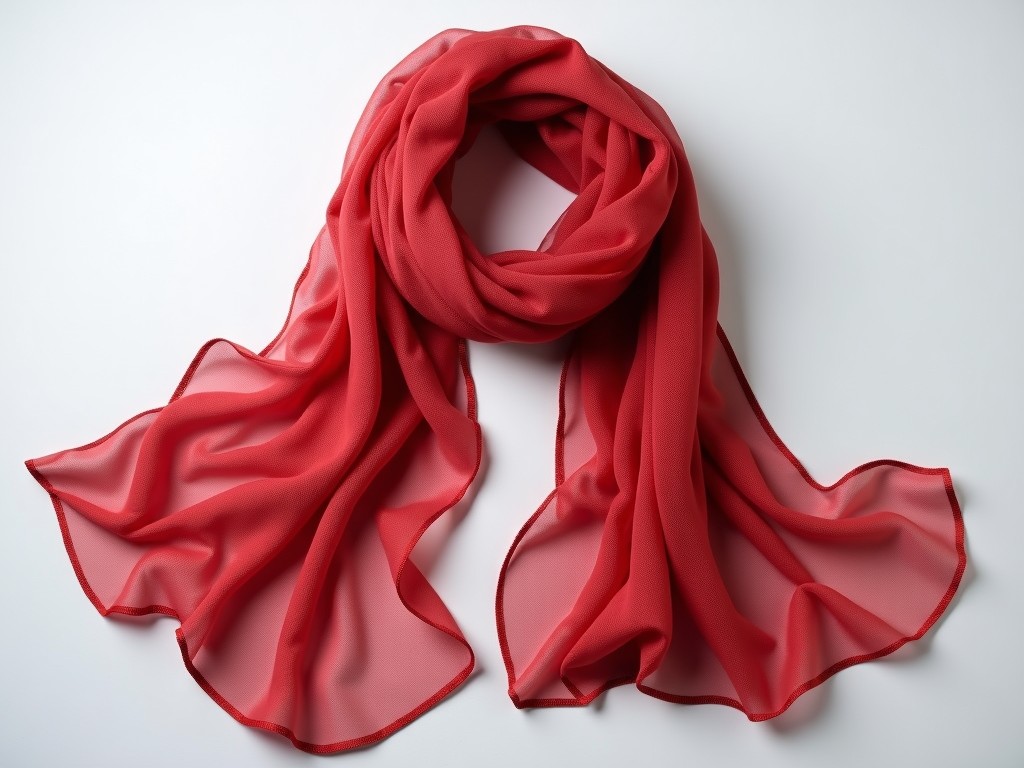
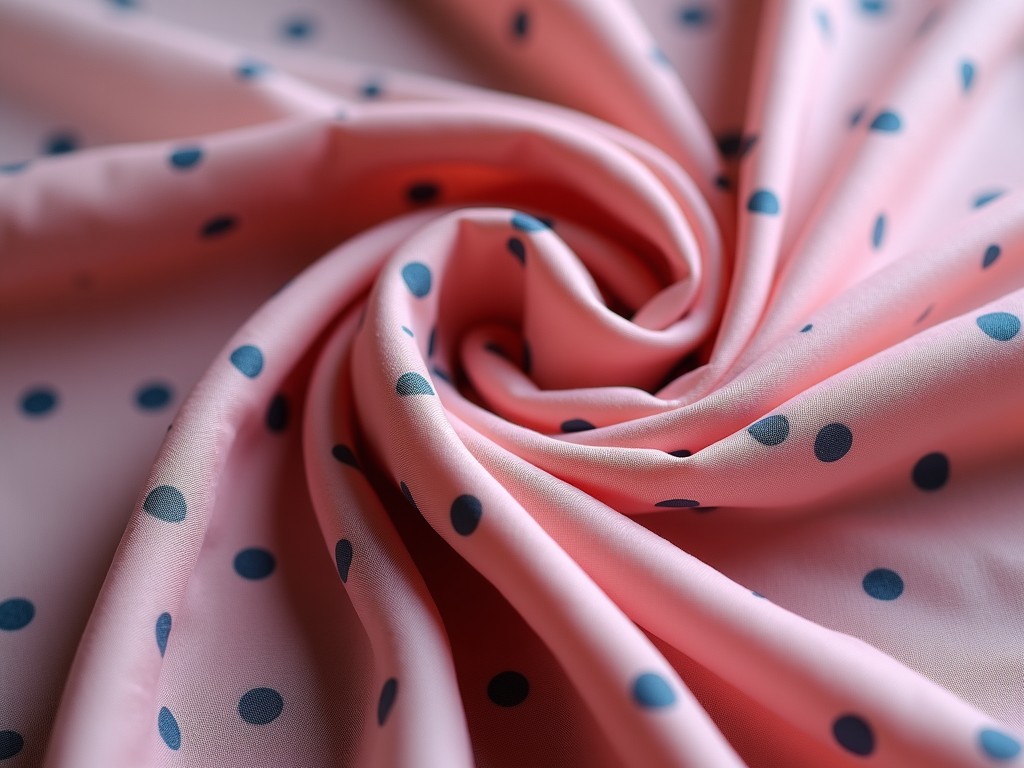

Buy Scarf For Men In Summer
Selecting appropriate lightweight neckwear for warm-weather operations requires understanding material properties, thermal performance, and dimensional stability under varying humidity and UV
Men's Summer Scarves: Technical Guide for Industrial Procurement
Selecting appropriate lightweight neckwear for warm-weather operations requires understanding material properties, thermal performance, and dimensional stability under varying humidity and UV exposure. This guide details engineering considerations for sourcing men's summer scarves in B2B contexts, focusing on measurable characteristics that impact wearer comfort, durability, and lifecycle cost in professional environments.
Material Selection Criteria for High-Temperature Environments
The primary thermal regulation mechanism in summer scarves is moisture wicking combined with air permeability. Natural cellulose fibers like mercerized cotton exhibit a moisture regain of 8-10% at 65% RH, enabling evaporative cooling without saturation. Linen (flax) demonstrates superior thermal conductivity (0.04-0.05 W/m·K) compared to cotton (0.06 W/m·K), facilitating faster heat transfer from skin to ambient air. Synthetic alternatives such as polyester microfiber achieve wicking rates of 15-25 mm/s via capillary channels in trilobal cross-sections but retain less moisture (0.4-0.8% regain), limiting evaporative cooling duration. Blends typically combine 65-70% cotton for absorption with 30-35% polyester for dimensional stability, reducing shrinkage to <2% after 5 wash cycles at 40°C.
Dimensional Specifications and Functional Design
Optimal scarf dimensions balance coverage with minimal insulative bulk. Standard industrial lengths range from 160-180 cm to allow multiple wrapping configurations without excess fabric pooling. Widths between 20-25 cm provide sufficient surface area for moisture dispersion while maintaining a low profile under protective gear or uniforms. End finishes significantly impact longevity: rolled hems with 2-3 mm stitch width resist fraying better than raw cuts, and bar-tacked corners (typically 6-8 mm square) prevent unraveling at stress points. For applications requiring frequent adjustment, lightweight fringe (3-5 mm diameter twisted cotton) adds <5g weight while improving grip during retying.
UV Resistance and Colorfastness Metrics
Outdoor exposure necessitates quantified UV protection. Scarves rated UPF 15-20 block 93-95% of UVB radiation, achievable through tight weaves (>120 threads/inch²) or titanium dioxide treatment (0.5-2% owf). Colorfastness to light (ISO 105-B02) is critical for outdoor use; reactive dyes on cotton typically achieve grades 4-5 (slight to no fading) after 20 AFU, while direct dyes often fall to grade 2-3. Darker shades (navy, charcoal) inherently absorb more UV but show fading less visibly than pastels. For high-exposure environments, solution-dyed polyester offers UV stability (grade 6-7) but sacrifices moisture absorption unless modified with hydrophilic finishes.
Comparative Material Performance Table
| Property | Mercerized Cotton | Linen | Polyester Microfiber | 65/35 C/P Blend |
|---|---|---|---|---|
| Moisture Regain (% @ 65% RH) | 8-10 | 6-8 | 0.4-0.8 | 5-7 |
| Thermal Conductivity (W/m·K) | 0.06 | 0.04-0.05 | 0.05-0.06 | 0.05-0.06 |
| UV Protection (UPF, untreated) | 5-8 | 4-6 | 10-15 | 8-12 |
| Dimensional Change (5 washes @ 40°C) | 3-5% | 2-4% | <1% | <2% |
| Typical Weight (g/m²) | 120-150 | 100-130 | 80-110 | 110-140 |
Application-Specific Considerations
In manufacturing or warehouse settings, scarves often serve as sweat management tools beneath hard hats or hoods. Here, absorbency (measured via ISO 105-E04) is prioritized over UV protection; cotton or blends with >8% regain prevent saturation during 8-hour shifts. For outdoor construction or utility work, UV resistance becomes critical—scarves worn as neck gaiters require UPF >15 to mitigate cumulative exposure. Food processing environments demand materials that withstand frequent sanitization; polyester blends resist degradation from chlorine-based solutions (50-200 ppm) better than 100% cotton, which may weaken after 20+ cycles. In all cases, low-lint construction (<50 mg/m² per ASTM D4978) prevents contamination in sensitive operations.
Quality Control and Testing Parameters
Industrial procurement should verify performance through standardized testing. Key specifications include: moisture management test (AATCC 195) showing wettability <5 seconds and spreading radius >20 mm; dimensional stability after 5 home launderings (AATCC 135) with <3% skew and <2% length change; colorfastness to crocking (AATCC 8) dry/wet ≥3-4; and pilling resistance (ASTM D3512) grade ≥3 after 5,000 cycles. Suppliers should provide test reports from accredited labs (e.g., AATCC, ISO 17025) upon request. Batch-to-batch consistency is verified via spectrophotometers (ΔE <2.0 for color) and tensile strength testers (>18 N/tex for warp, >15 N/tex for weft).
Sourcing and Customization Logistics
Minimum order quantities typically start at 300 units for stock colors, dropping to 1,000+ for custom dye lots due to vat setup costs. Lead times average 3-4 weeks for greige goods processing and dyeing, plus 1 week for finishing and packaging. Customization options include: woven jacquard logos (min. 5mm line width), ultrasonic welding for seamless ends (eliminating thread failure points), and RFID tag integration for inventory tracking (ISO 15693 compliant). Packaging varies by application: polybags with desiccant for moisture-sensitive storage, or ventilated cartons for immediate distribution. Export compliance requires OEKO-TEX® Standard 100 certification for skin-contact items, with documentation provided per shipment.
Products
Related Products
News
Related News
2026-11-02
Cotton Voile Scarf Manufacturing and Performance Analysis how to make a cotton voile scarfCreating a professional-grade cotton voile scarf requires a precise balance of textile engineering and artisanal finishing. Unlike standard cotton weaves, voile is defined by its p···
2026-10-28
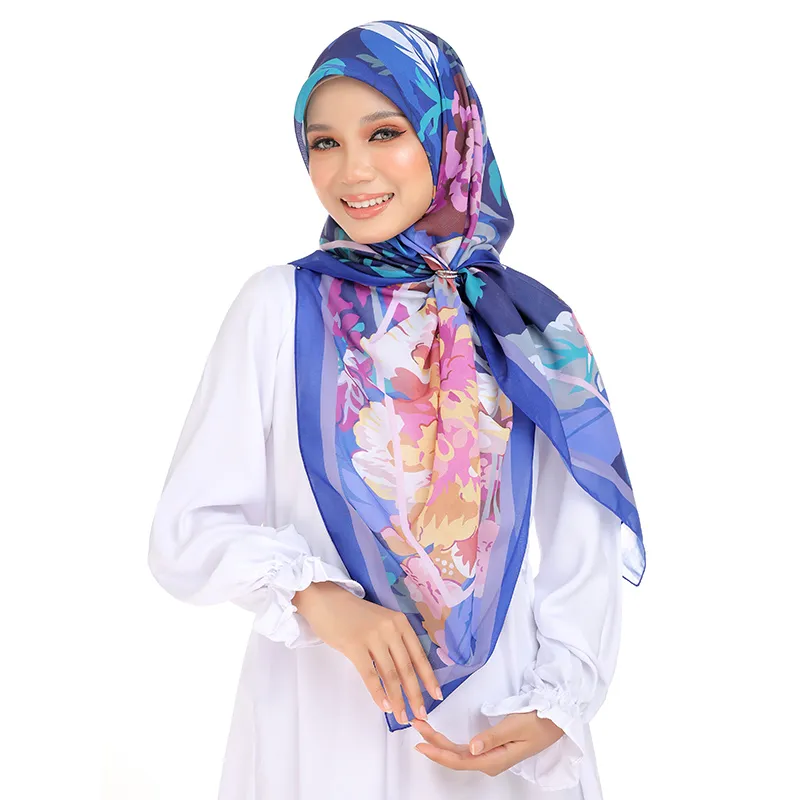
chiffon hijab Technical Production and Performance AnalysisSelecting the right fabric for a hijab involves a delicate balance between modesty, breathability, and aesthetic drape. For many women in Southeast Asia and the Middle East, the ma···
2026-10-26
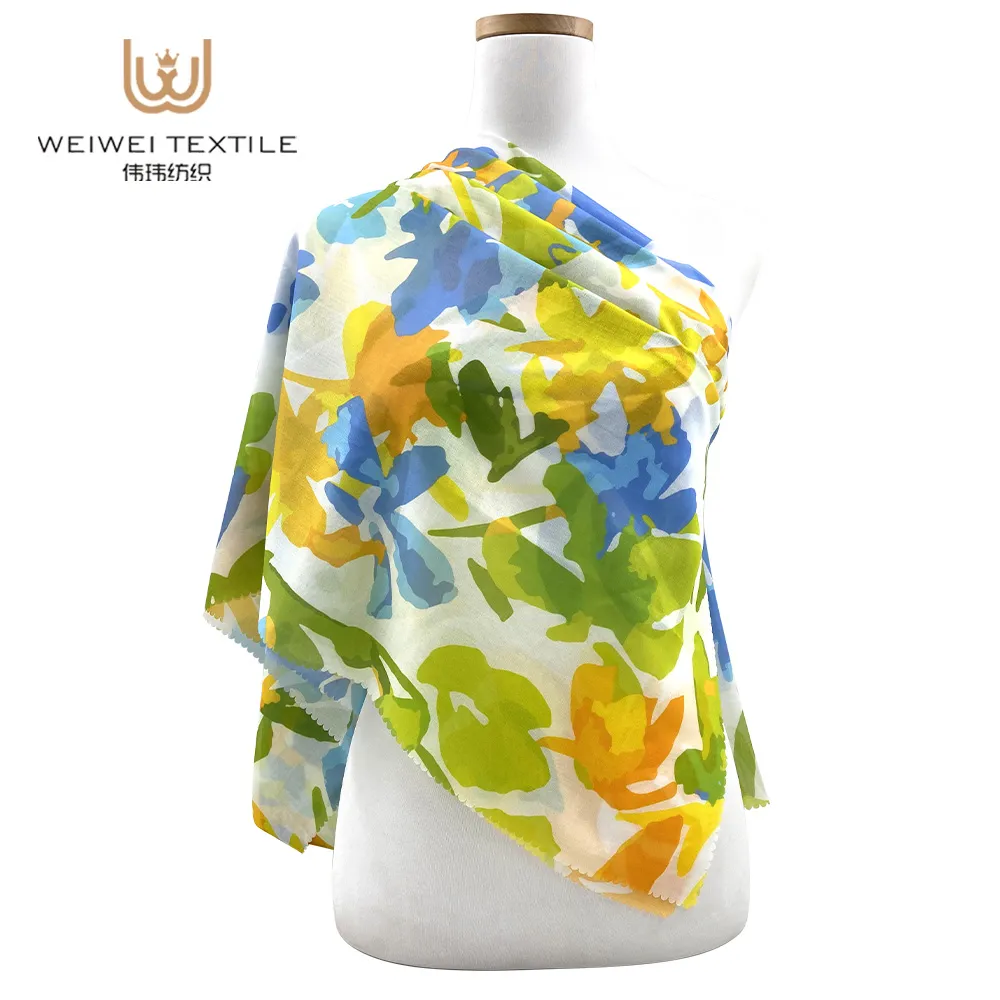
custom silk scarf textile manufacturing and performance analysisSelecting a high-quality scarf is no longer just about color matching; it is an exercise in understanding how textile weight, drape, and print scale interact with individual facial···