Bandana Neck Scarf For Men






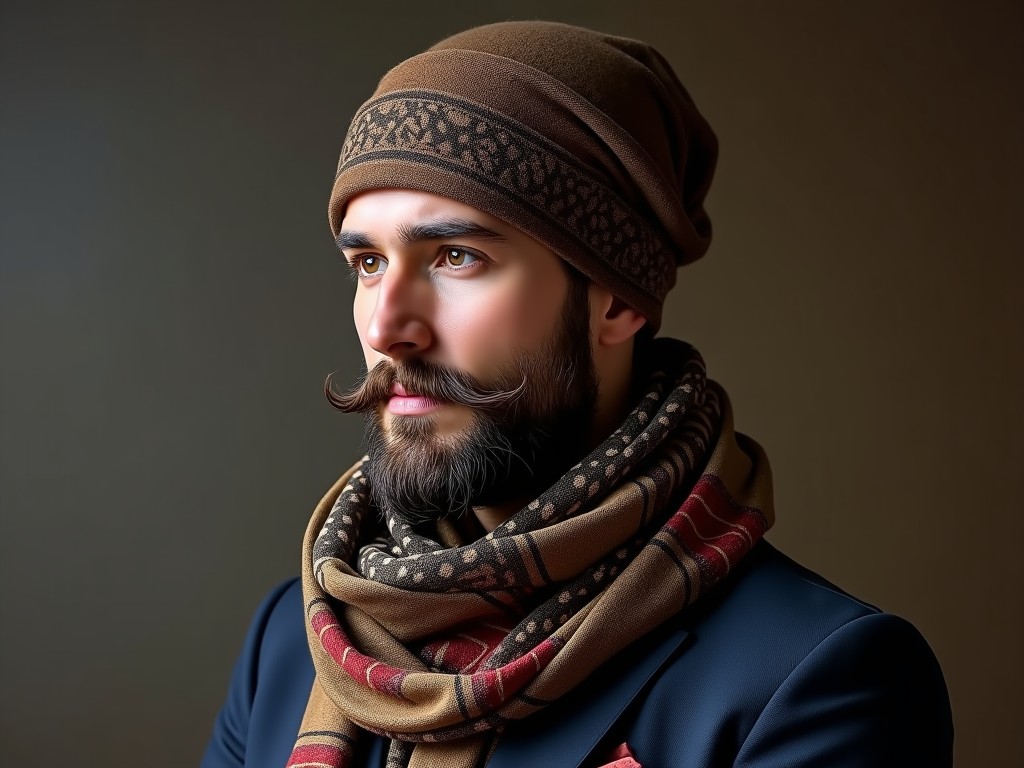
Bandana Neck Scarf For Men
A bandana neck scarf for men is a functional textile component designed for use in demanding work environments where protection from dust, sweat, wind, and particulate exposure is required. Unlike
Bandana Neck Scarf for Men – Industrial-Grade Workwear Accessory
A bandana neck scarf for men is a functional textile component designed for use in demanding work environments where protection from dust, sweat, wind, and particulate exposure is required. Unlike fashion-oriented variants, industrial versions are engineered for durability, moisture management, and compatibility with personal protective equipment (PPE) systems. These scarves serve as a barrier layer between the skin and external contaminants while maintaining breathability during prolonged wear.
Material selection directly impacts performance in industrial settings. Common constructions use 100% cotton, polyester-cotton blends (65/35 or 50/50), or moisture-wicking synthetic fabrics such as polyester microfiber. Cotton variants offer high absorbency and softness against the skin, suitable for low-heat environments. Blended fabrics improve tensile strength and reduce shrinkage after repeated laundering. Synthetic options provide rapid drying and resistance to chemical splashes or UV degradation, making them appropriate for outdoor or high-exposure zones.
Dimensional consistency ensures proper fit and function when worn under hard hats, respirators, or safety goggles. Standard industrial bandanas measure approximately 55 cm x 55 cm when laid flat, allowing for multiple folding configurations to achieve desired coverage. Edge finishing is critical—overlocked or double-stitched hems prevent fraying during industrial washing cycles. Some designs incorporate tapered ends or contoured shapes to reduce bulk when tucked into collars or worn beneath face shields.
Color and pattern choices are not purely aesthetic; they serve operational purposes. High-visibility colors (e.g., fluorescent orange, lime green) enhance worker recognition in low-light or high-traffic areas. Darker shades (navy, charcoal, black) conceal soil and grease stains, extending usable life between washes. Patterned designs, such as paisley or camouflage, may be selected for brand alignment or to minimize visual distraction in precision work zones. Colorfastness is tested to withstand industrial detergents and bleach exposure without fading.
Integration with PPE systems requires careful consideration of interface points. When worn beneath a half-face respirator, the scarf must not compromise the seal—thin, low-profile fabrics are preferred. In welding or grinding applications, flame-resistant (FR) treated variants are available, meeting standards such as NFPA 70E or EN ISO 11612. These versions use inherently FR modacrylic or treated cotton blends to resist ignition and self-extinguish when exposed to sparks or molten metal.
Laundry resilience is a key procurement factor. Industrial bandanas must endure repeated cycles at 60–75°C with alkaline detergents and occasional chlorine bleach without loss of shape, tensile strength, or color integrity. Pre-shrunk fabrics minimize dimensional change after washing. Bar tack reinforcement at stress points increases lifespan in high-abrasion environments. Some manufacturers offer antimicrobial treatments to inhibit odor-causing bacteria buildup during extended shifts.
| Property | Typical Value / Option |
|---|---|
| Flat Dimensions | 55 cm x 55 cm (±2 cm) |
| Fabric Weight | 140–180 gsm (cotton); 160–200 gsm (blend); 120–150 gsm (microfiber) |
| Shrinkage (After 5 Washes) | <3% (pre-shrunk); 5–8% (non-treated) |
| Colorfastness (Wash) | Grade 4+ (AATCC 61) after 20 cycles |
| Flame Resistance (Optional) | Meets NFPA 70E Class 1 or EN ISO 11612 A1/B1 |
Customization options allow alignment with site-specific safety protocols or corporate identity. Logos can be applied via screen printing, heat transfer, or embroidery—each method selected based on fabric type and expected wear. Embroidery provides the highest durability but adds slight stiffness; screen printing offers cost-effective branding for high-volume orders. Custom colors are achievable through dye lot matching, subject to minimum order quantities. Reflective strips or piping can be integrated for enhanced nighttime visibility in roadside or rail maintenance roles.
Packaging and logistics considerations affect total cost of ownership. Bandanas are typically folded and packed in polybags of 10, 25, or 50 units, then placed in cardboard cartons for bulk shipment. Vacuum-sealed options reduce storage space for long-term inventory. Barcode labeling and SKU tracking are available upon request to support warehouse automation. Lead times depend on fabric availability and customization complexity—standard items ship within 7–10 business days; custom orders require 15–25 days.
For technical specifications, material data sheets, or to request a sample evaluation under your site’s laundering and wear conditions, contact our industrial textiles team. Provide details on intended use, exposure hazards, washing frequency, and any PPE integration requirements to receive a tailored recommendation.
Products
Related Products
News
Related News

2026-11-02
Cotton Voile Scarf Manufacturing and Performance Analysis how to make a cotton voile scarfCreating a professional-grade cotton voile scarf requires a precise balance of textile engineering and artisanal finishing. Unlike standard cotton weaves, voile is defined by its p···

2026-10-28
chiffon hijab Technical Production and Performance AnalysisSelecting the right fabric for a hijab involves a delicate balance between modesty, breathability, and aesthetic drape. For many women in Southeast Asia and the Middle East, the ma···

2026-10-26
custom silk scarf textile manufacturing and performance analysisSelecting a high-quality scarf is no longer just about color matching; it is an exercise in understanding how textile weight, drape, and print scale interact with individual facial···
