B2B Mens Long Silk Dress Scarf






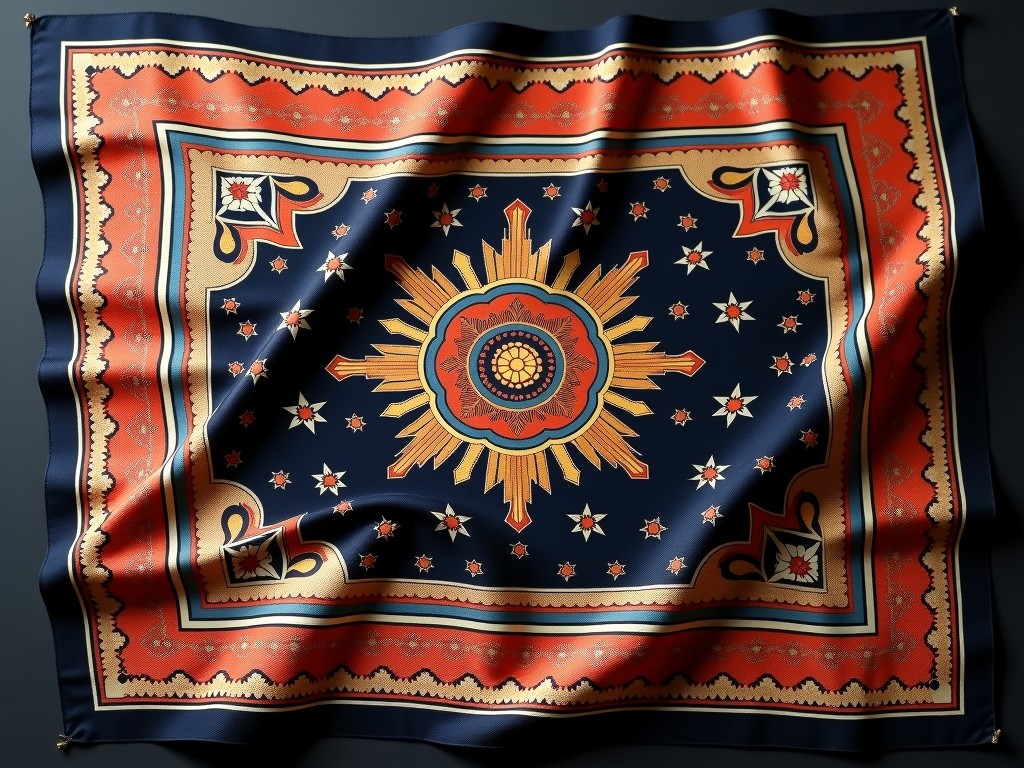
B2B Mens Long Silk Dress Scarf
This document details the technical specifications, material properties, and manufacturing considerations for long silk dress scarves intended for B2B supply chains. Designed for corporate gifting,
B2B Men's Long Silk Dress Scarf – Technical Specifications for Industrial Procurement
This document details the technical specifications, material properties, and manufacturing considerations for long silk dress scarves intended for B2B supply chains. Designed for corporate gifting, uniform accessories, and high-end retail distribution, these scarves meet specific dimensional, functional, and compliance requirements relevant to industrial buyers.
The following sections explain construction methods, fiber characteristics, dimensional tolerances, and quality control parameters to support informed procurement decisions. All specifications are based on standard industry practices for luxury textile components.
Customization options are available upon request, subject to minimum order quantities and lead time considerations outlined in the procurement workflow.
Material Composition and Fiber Properties
The scarf is constructed from 100% mulberry silk (Bombyx mori), specifically graded as 6A long-filament silk. Fiber length averages 1,100–1,300 meters per cocoon, ensuring continuous filament yarn with minimal splices. This grade provides superior tensile strength (3.5–4.0 g/d) and elongation at break (15–20%), critical for maintaining drape and resisting deformation during use.
Silk sericin content is reduced to 2–4% through controlled degumming, preserving fibroin integrity while enhancing luster and hand feel. The resulting fabric exhibits a refractive index of 1.54–1.55, contributing to its characteristic light-reflective properties under varied lighting conditions.
Colorfastness is achieved through acid dyeing processes compliant with OEKO-TEX® Standard 100, with wash fastness ratings of 4–5 (ISO 105-C06) and light fastness of 4+ (ISO 105-B02) for standard dye lots. Custom Pantone matching is available with laboratory-certified dips to ensure batch-to-batch consistency.
Construction and Dimensional Specifications
The scarf is woven as a flat, double-sided crepe de Chine structure with a nominal weight of 12 momme (approximately 45 g/m²). This weight provides sufficient opacity for single-layer wear while maintaining fluid drape characteristics essential for long-format accessories. Yarn count is 120/2D warp and weft, resulting in a thread density of 280 ends per inch (EPI) by 240 picks per inch (PPI).
Finished dimensions are standardized at 180 cm in length and 90 cm in width, with a tolerance of ±1.5% in both axes. Hemming is executed via a 3mm rolled edge using ultrasonic sealing or hand-rolled silk thread, depending on client specifications. The rolled hem adds approximately 0.5 cm to the effective width on each side, yielding a usable width of 89 cm.
Diagonal skew is controlled to less than 0.5% across the fabric width, verified via laser scanning during final inspection. This ensures symmetrical hanging when folded or worn, preventing torque-induced twisting during extended use.
Performance Characteristics and Testing Parameters
Key performance indicators are evaluated per ASTM and ISO standards relevant to luxury textiles. Abrasion resistance is tested using the Martindale method (ASTM D4966), with a minimum rating of 15,000 cycles before noticeable surface change—sufficient for occasional handling but not intended for high-friction applications.
pH of the aqueous extract is maintained between 6.0 and 7.5 (ISO 3071), ensuring skin compatibility for prolonged contact. Differential scanning calorimetry (DSC) confirms a glass transition temperature (Tg) of approximately 180°C, indicating thermal stability under normal storage and ambient conditions.
Dimensional stability after washing is assessed per ISO 6330, with shrinkage limited to ±2% in length and width after one gentle cycle at 30°C. Ironing performance is rated at 110°C maximum soleplate temperature with steam, using a pressing cloth to prevent surface glazing.
Customization Options and Technical Constraints
Customization is available for color, length, width, and hem finish, subject to technical feasibility and minimum order quantities. Length extensions beyond 200 cm require adjustments to loom tension and take-up ratios to prevent fabric distortion; widths exceeding 100 cm may necessitate loom reconfiguration and are evaluated case-by-case.
Custom dye lots require a minimum of 5 kg of raw silk per color shade to ensure consistent dye uptake and avoid batch variation. Lead time for custom colors averages 4–6 weeks from lab dip approval, inclusive of scouring, mordanting, dyeing, and post-treatment stabilization.
Alternative hem finishes include flat-felled seams (adding 8 mm to width) or raw-edge laser sealing (no width change, but requires stabilized yarn to prevent fraying). Embroidery or jacquard weaving is possible but increases lead time and requires separate tooling costs; density is limited to 8,000 stitches/m² to avoid compromising drape.
Quality Control and Inspection Protocol
Inspection follows a three-stage protocol: incoming fiber verification, in-process monitoring, and final audit. Raw silk is tested for nitrogen content (ISO 1837) to confirm fibroin purity, with acceptance criteria of ≥15.8%. During weaving, real-time camera systems monitor pick density and weft alignment, triggering alerts for deviations >±2 picks.
Final inspection uses 4-point system (ASTM D5430) under 300 lux daylight simulation, with defect points assigned based on size and visibility. Acceptable quality level (AQL) is set at 2.5 for major defects (e.g., holes, stains, misprints) and 4.0 for minor defects (e.g., slubs, slight shade variation). Each batch includes a randomized sample size of √N + 1 per ISO 2859-1.
Packaging verification includes fold accuracy, acid-free tissue insertion, and polybag sealing integrity. Each unit is labeled with a unique traceability code linking to dye lot, loom ID, and inspection timestamp. Custom labeling options (woven tags, printed labels) are available upon request.
Applications in Industrial and Commercial Supply Chains
These scarves serve as standardized accessories in corporate uniform programs where brand consistency and material integrity are critical. The 180 cm length allows for multiple styling options (e.g., single loop, double wrap, knot variations) while maintaining proportional balance across diverse torso dimensions. The 90 cm width ensures adequate coverage without excessive bulk when worn under blazers or over shirts.
In retail distribution, the product functions as a premium gift-with-purchase item for luxury menswear brands, leveraging silk’s perceived value and tactile properties. Its low weight (approximately 40–45 g per unit) reduces shipping volumetric weight, making it cost-effective for air freight and e-commerce fulfillment.
For OEM buyers supplying to hospitality or aviation sectors, the scarf’s resistance to wrinkling (due to silk’s natural elasticity) and ability to recover shape after hanging supports reuse cycles. The material’s natural antimicrobial properties (attributed to fibroin’s amino acid structure) further support suitability for environments requiring frequent handling.
| Parameter | Specification | Test Method / Standard |
|---|---|---|
| Fiber Type | 100% Mulberry Silk (Bombyx mori) | ISO 1833 |
| Momme Weight | 12 momme (45 g/m²) | ASTM D3776 |
| Length | 180 cm ±1.5% | ISO 3059 |
| Width | 90 cm ±1.5% | ISO 3059 |
| Thread Count (Warp x Weft) | 120/2D x 120/2D (280 EPI x 240 PPI) | ASTM D3775 |
| Tensile Strength | 3.5–4.0 g/d | ASTM D2256 |
| Elongation at Break | 15–20% | ASTM D2256 |
| Colorfastness to Washing | 4–5 (ISO 105-C06) | ISO 105-C06 |
| Colorfastness to Light | 4+ (ISO 105-B02) | ISO 105-B02 |
| pH (Aqueous Extract) | 6.0–7.5 | ISO 3071 |
| Shrinkage (Wash) | ±2% max | ISO 6330 |
All specifications represent typical values for standard production runs. Custom requirements may alter certain parameters and should be confirmed during technical consultation. Test data is derived from internal quality control logs and third-party laboratory analysis; actual results may vary based on dye lot, finishing treatment, and environmental exposure.
Minimum order quantities begin at 100 units for standard colors and 300 units for custom dye lots. Lead times range from 2–4 weeks for stock items and 6–8 weeks for fully customized orders, inclusive of sample approval and production scheduling.
To request technical samples, submit a formal inquiry with detailed specifications including intended use, required dimensions, color references (Pantone or physical swatch), and preferred packaging method. Our technical team will evaluate feasibility and provide a formal quotation with lead time confirmation.
For procurement inquiries, technical documentation requests, or sample arrangements, contact our industrial sales team.
Submit InquiryProducts
Related Products
News
Related News

2026-11-02
Cotton Voile Scarf Manufacturing and Performance Analysis how to make a cotton voile scarfCreating a professional-grade cotton voile scarf requires a precise balance of textile engineering and artisanal finishing. Unlike standard cotton weaves, voile is defined by its p···

2026-10-28
chiffon hijab Technical Production and Performance AnalysisSelecting the right fabric for a hijab involves a delicate balance between modesty, breathability, and aesthetic drape. For many women in Southeast Asia and the Middle East, the ma···

2026-10-26
custom silk scarf textile manufacturing and performance analysisSelecting a high-quality scarf is no longer just about color matching; it is an exercise in understanding how textile weight, drape, and print scale interact with individual facial···
