Arabic Head Scarf For Men






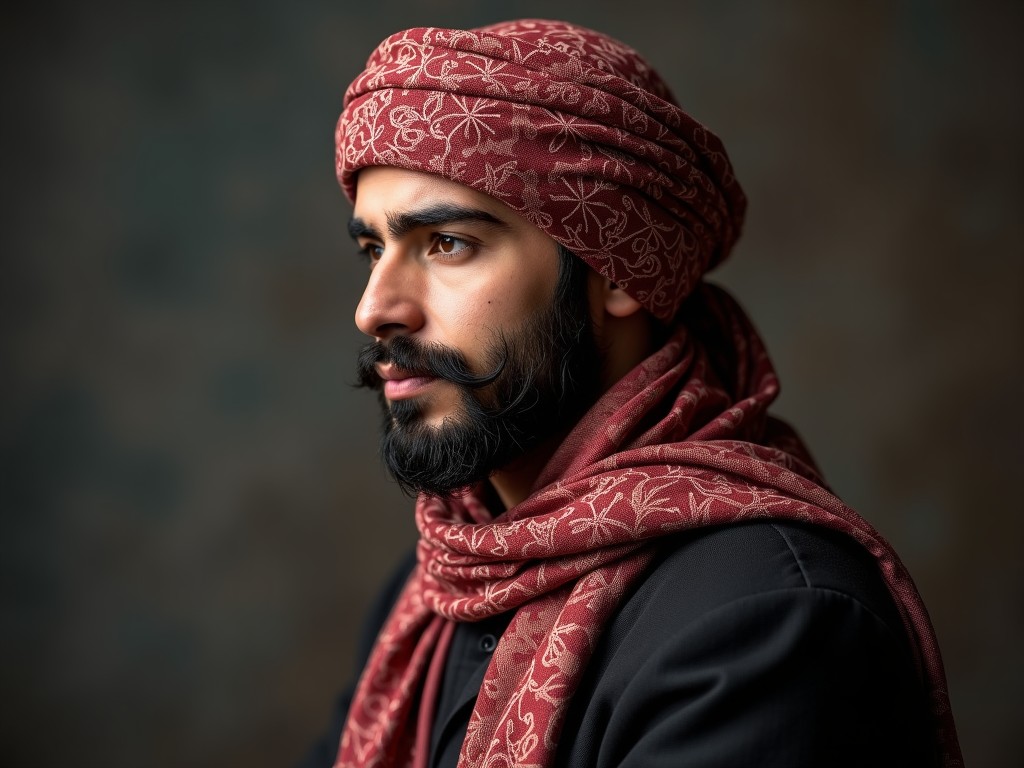
Arabic Head Scarf For Men
An Arabic head scarf for men, commonly known as a ghutra or shemagh, serves both functional and cultural purposes in arid environments. It provides protection from sun, wind, and sand while allowing
Arabic Head Scarf for Men
An Arabic head scarf for men, commonly known as a ghutra or shemagh, serves both functional and cultural purposes in arid environments. It provides protection from sun, wind, and sand while allowing airflow to regulate temperature. Understanding its construction, material properties, and usage context is essential for industrial buyers sourcing for workforce uniforms, military applications, or humanitarian supply chains.
Material Composition and Performance Characteristics
Traditional Arabic head scarves are typically made from 100% cotton or cotton-blend fabrics, chosen for breathability, moisture absorption, and durability under prolonged outdoor exposure. Cotton fibers allow sweat to wick away from the skin while maintaining structural integrity after repeated washing. For high-wear applications, blends with polyester (e.g., 65/35 cotton/polyester) improve wrinkle resistance and tensile strength without significantly reducing air permeability.
Fabric weight generally ranges from 120 to 180 GSM (grams per square meter), balancing coverage with thermal comfort. Lower weights (120–140 GSM) suit hot climates where maximum airflow is critical; higher weights (160–180 GSM) offer greater abrasion resistance for rugged use. Thread count typically falls between 80 and 120 threads per inch, influencing both softness and resistance to fraying at the edges.
Standard Dimensions and Functional Design
The standard square format measures approximately 110 cm × 110 cm (43 in × 43 in), providing sufficient fabric to wrap securely around the head and neck while allowing multiple folding techniques. This size ensures adequate coverage for facial protection during sandstorms and enables the creation of layered insulation when needed. The edges are usually finished with a narrow hem (3–5 mm) to prevent unraveling without adding stiffness.
Some variants incorporate a subtle border pattern (often in black, red, or white) woven into the fabric during production, not printed, to maintain colorfastness and tactile consistency. These patterns do not affect performance but may indicate regional origin or intended use case. The absence of elastic or rigid components ensures the scarf adapts to various head sizes and wrapping styles without pressure points.
Common Industrial and Operational Applications
In industrial settings, Arabic head scarves are used by personnel in construction, oil and gas exploration, desert logistics, and peacekeeping operations where environmental hazards include UV radiation, windblown particulates, and extreme temperature swings. Unlike synthetic balaclavas or fleece liners, the cotton-based scarf does not melt or drip under high heat, reducing burn risk in flash fire scenarios.
For workforce standardization, organizations often specify scarves in neutral colors (white, beige, or light gray) to reflect solar radiation and minimize heat absorption. In security or military contexts, patterned variants (e.g., black-and-white or red-and-white checks) may be selected for identification or camouflage purposes, depending on terrain. The garment’s simplicity allows integration into layered PPE systems without interfering with hard hats, goggles, or respirators.
Customization Options for Bulk Procurement
Manufacturers can adjust fabric weight, fiber blend, and edge finishing based on project-specific requirements. For example, clients in coastal humid regions may request open-weave cotton (110 GSM) for enhanced evaporation, while those in cold-desert zones might opt for a slightly heavier 170 GSM blend with 10% wool for passive thermal retention. Custom border colors or patterns are achievable through yarn dyeing prior to weaving, ensuring uniformity across large batches.
Packaging options include flat-folded bales (50–100 pieces per bale) or vacuum-sealed polybags for moisture protection during long-term storage. Labeling can be added via sew-on tags or printed inserts to include batch numbers, care instructions, or compliance marks. Minimum order quantities typically start at 500 units, with scalability to 10,000+ units for contract supply.
Quality Control and Consistency Measures
To ensure batch-to-batch consistency, reputable producers conduct standardized tests on fabric weight, tensile strength (ASTM D5034), colorfastness to washing (ISO 105-C06), and pilling resistance (ASTM D3512). Dimensional stability is verified after multiple wash cycles to confirm minimal shrinkage (<3%). These metrics help buyers predict service life and maintenance needs.
Visual inspection focuses on uniform weave, absence of yarn defects, and consistent edge finishing. For industrial contracts, third-party verification reports are available upon request. While no single global certification applies specifically to head scarves, compliance with OEKO-TEX® Standard 100 or similar textile safety benchmarks can be arranged to confirm absence of harmful substances.
Care Instructions and Longevity Factors
Cotton-based head scarves withstand repeated washing at temperatures up to 60°C without significant degradation. Tumble drying on low heat or air drying is recommended to preserve fiber strength. Bleach should be avoided, especially on patterned variants, as it may weaken dyes and cause uneven fading. Ironing, if needed, is safe at medium heat (150°C) using steam to restore crispness.
With proper care, a typical scarf maintains functional integrity for 6–12 months of regular outdoor use. Factors affecting lifespan include exposure to abrasive surfaces, frequency of washing, and UV intensity. Buyers planning long-term field deployment should consider rotational stock and storage in cool, dry, dark conditions to prevent premature yellowing or brittleness.
| Parameter | Typical Range | Notes |
|---|---|---|
| Fabric Weight | 120–180 GSM | Selected based on climate and wear intensity |
| Thread Count | 80–120 TPI | Influences softness and edge durability |
| Dimensions | 110 cm × 110 cm | Standard square format for versatile wrapping |
| Shrinkage (after 5 washes) | <3% | Measured per ISO 6330 |
| Tensile Strength (warp/weft) | ≥25 N/mm² | ASTM D5034 standard |
Products
Related Products
News
Related News

2026-11-02
Cotton Voile Scarf Manufacturing and Performance Analysis how to make a cotton voile scarfCreating a professional-grade cotton voile scarf requires a precise balance of textile engineering and artisanal finishing. Unlike standard cotton weaves, voile is defined by its p···

2026-10-28
chiffon hijab Technical Production and Performance AnalysisSelecting the right fabric for a hijab involves a delicate balance between modesty, breathability, and aesthetic drape. For many women in Southeast Asia and the Middle East, the ma···

2026-10-26
custom silk scarf textile manufacturing and performance analysisSelecting a high-quality scarf is no longer just about color matching; it is an exercise in understanding how textile weight, drape, and print scale interact with individual facial···
