Arabic Head Covering For Men

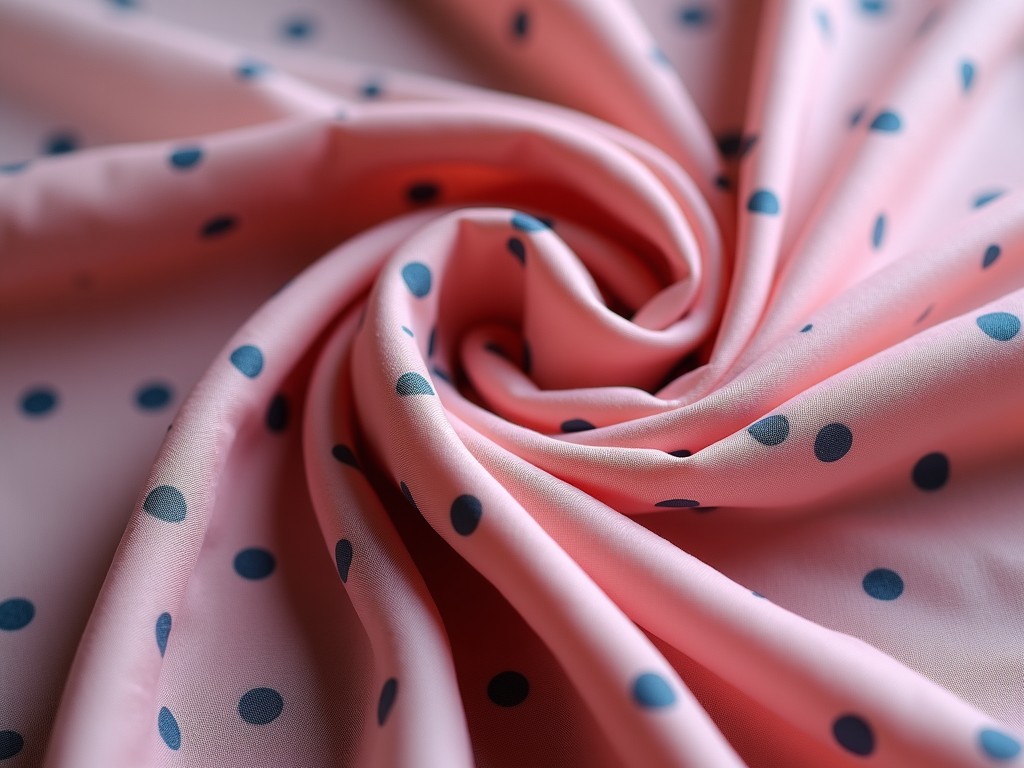

Arabic Head Covering For Men
The Arabic head covering, commonly referred to as a ghutra or shemagh, is traditionally constructed from cotton or cotton-blend fabrics selected for breathability and dimensional stability under
Arabic Head Covering for Men
Material Composition and Structural Properties
The Arabic head covering, commonly referred to as a ghutra or shemagh, is traditionally constructed from cotton or cotton-blend fabrics selected for breathability and dimensional stability under varying climatic conditions. Fabric weight typically ranges from 120 to 180 grams per square meter, balancing airflow with sufficient opacity for sun protection. Weave structures vary between plain and twill constructions, with thread counts influencing both drape characteristics and resistance to fraying at edges. Cotton content exceeding 65% ensures moisture absorption capabilities critical for comfort in high-temperature environments, while synthetic blends (when used) are limited to improve wrinkle resistance without compromising thermal regulation.
Dimensional Standards and Fit Considerations
Standard dimensions for men's Arabic head coverings follow established regional conventions, with square formats predominating. Typical side lengths measure between 110 and 130 centimeters, allowing for multiple wrapping configurations while maintaining proportional coverage. The square geometry enables symmetrical folding techniques essential for achieving traditional styles such as the plain drape, triangular fold, or layered wrap. Edge selvages are reinforced through double-stitching or hem rolling to prevent unraveling during repeated folding and unfolding cycles. Dimensional tolerance is maintained within ±2 cm to ensure consistency across production batches without imposing excessive manufacturing constraints.
Colorfastness and Dye Performance
Color selection in Arabic head coverings serves both cultural and functional purposes, with white, red-and-white checked, and black-and-white patterns being most prevalent. Dye penetration is evaluated through ISO 105-B02 lightfastness testing, where ratings of 4 or higher (on a scale of 1-8) indicate acceptable resistance to fading under prolonged UV exposure. Wash fastness, measured per ISO 105-C06, typically achieves grades 3-4 for cotton fabrics, meaning minimal color transfer occurs during laundering. Reactive dyes are commonly used for cellulosic fibers due to their covalent bonding with cellulose, resulting in superior wash durability compared to direct or vat dye systems. Color consistency across production lots is controlled via spectrophotometric monitoring of L*a*b* values.
Applications in Environmental and Occupational Settings
Beyond cultural significance, the Arabic head covering provides measurable protection against environmental stressors in industrial and outdoor work environments. The fabric's porosity allows convective cooling while blocking direct solar radiation, reducing radiant heat load on the scalp and forehead—critical factors in preventing heat stress during prolonged outdoor exposure. In dusty or sandy conditions, the layered wrapping technique creates a physical barrier that filters particulate matter, reducing inhalation and deposition on skin. The hygroscopic nature of cotton facilitates sweat wicking, maintaining skin dryness and reducing friction-related irritation. These functional attributes explain its adoption in sectors such as construction, agriculture, and oil and gas operations across arid regions.
Customization Parameters and Ordering Logic
Customization options are governed by technical feasibility and cultural appropriateness. Fabric composition can be adjusted within the range of 50-100% cotton, with polyester or viscose blends introduced to modify wrinkle recovery or cost structure—though increases in synthetic content beyond 35% may reduce breathability and moisture management. Dimensions are scalable within practical limits: minimum side length of 90 cm for compact storage variants, maximum of 150 cm for extended coverage styles. Hem treatments include plain hem, rolled hem, or fringed edges, each affecting drape weight and folding behavior. Color patterns are subject to dye lot minimums, typically starting at 300 units per SKU for custom designs, with standard patterns available from stock.
Quality Control and Inspection Protocols
Quality assurance integrates multiple inspection points throughout production. Fabric inspection occurs prior to cutting, using 4-point or 10-point systems to assess defects such as holes, stains, or yarn imperfections, with acceptance thresholds defined by AATCC or ISO standards. Dimensional verification is conducted post-hemming using calibrated templates, ensuring side lengths and squareness remain within tolerance. Seam strength is evaluated via grab tests (ASTM D5034), with minimum values of 15 N/cm for cotton fabrics indicating adequate resistance to splitting under tension. Visual inspection under standardized lighting (D65 or TL84) confirms color consistency and pattern alignment. Final random audits assess packaging integrity and labeling accuracy before shipment.
Packaging and Logistics Considerations
Packaging methods are selected to preserve product condition during transit and storage. Individual units are typically folded to standardized dimensions (approximately 30x30x5 cm) and placed in polybags to prevent moisture ingress and soiling. For bulk shipments, cartons are constructed from single-wall corrugated fiberboard with burst strength ratings of 275 kPa or higher, stacked on pallets secured with stretch film. Each carton contains between 24 and 48 units depending on fabric thickness and folding efficiency. Desiccant packets may be included for long-term storage or humid climates to maintain fabric moisture content below 12% RH. Country of origin, fiber content, and care instructions are labeled in compliance with textile regulations.
Comparison of Common Fabric Variants
| Parameter | 100% Cotton | 65/35 Cotton-Polyester | Viscose Blend |
|---|---|---|---|
| Weight (gsm) | 140-180 | 120-160 | 110-150 |
| Moisture Regain (%) | 7-8 | 4-5 | 11-12 |
| Wrinkle Recovery (after 5 min) | Low | Medium | High |
| UV Protection (UPF) | 15-20 | 12-18 | 10-15 |
| Typical Use Case | High-heat outdoor work | General use, travel | Draping, formal wear |
This table compares typical performance characteristics across fabric constructions used in Arabic head coverings. Values represent ranges observed in standard production; actual performance depends on yarn count, weave density, and finishing treatments. Moisture regain indicates sweat absorption capacity, while wrinkle recovery reflects resistance to creasing after folding. UPF values are indicative and not certified unless specifically tested.
Procurement Guidance
Industrial buyers should specify requirements based on end-use conditions rather than aesthetic preferences alone. For high-temperature environments with significant solar exposure, prioritize 100% cotton fabrics with weights above 140 gsm and verified UPF ratings. Where laundering frequency is high and wrinkle resistance is desired, cotton-polyester blends offer a practical trade-off, provided synthetic content does not exceed 35% to maintain acceptable breathability. Always request fabric swatches and perform wear trials under actual operating conditions before finalizing bulk orders. Clearly communicate dimensional tolerances, colorfastness expectations, and packaging standards in procurement documentation to align supplier capabilities with operational needs.
Products
Related Products
News
Related News
2026-11-02
Cotton Voile Scarf Manufacturing and Performance Analysis how to make a cotton voile scarfCreating a professional-grade cotton voile scarf requires a precise balance of textile engineering and artisanal finishing. Unlike standard cotton weaves, voile is defined by its p···
2026-10-28
chiffon hijab Technical Production and Performance AnalysisSelecting the right fabric for a hijab involves a delicate balance between modesty, breathability, and aesthetic drape. For many women in Southeast Asia and the Middle East, the ma···
2026-10-26
custom silk scarf textile manufacturing and performance analysisSelecting a high-quality scarf is no longer just about color matching; it is an exercise in understanding how textile weight, drape, and print scale interact with individual facial···