What Is A Chiffon Scarf






What Is A Chiffon Scarf
A chiffon scarf is a lightweight textile accessory made from chiffon fabric, which is a sheer, plain-woven material known for its soft drape and subtle sheen. Chiffon is typically constructed from
What Is a Chiffon Scarf
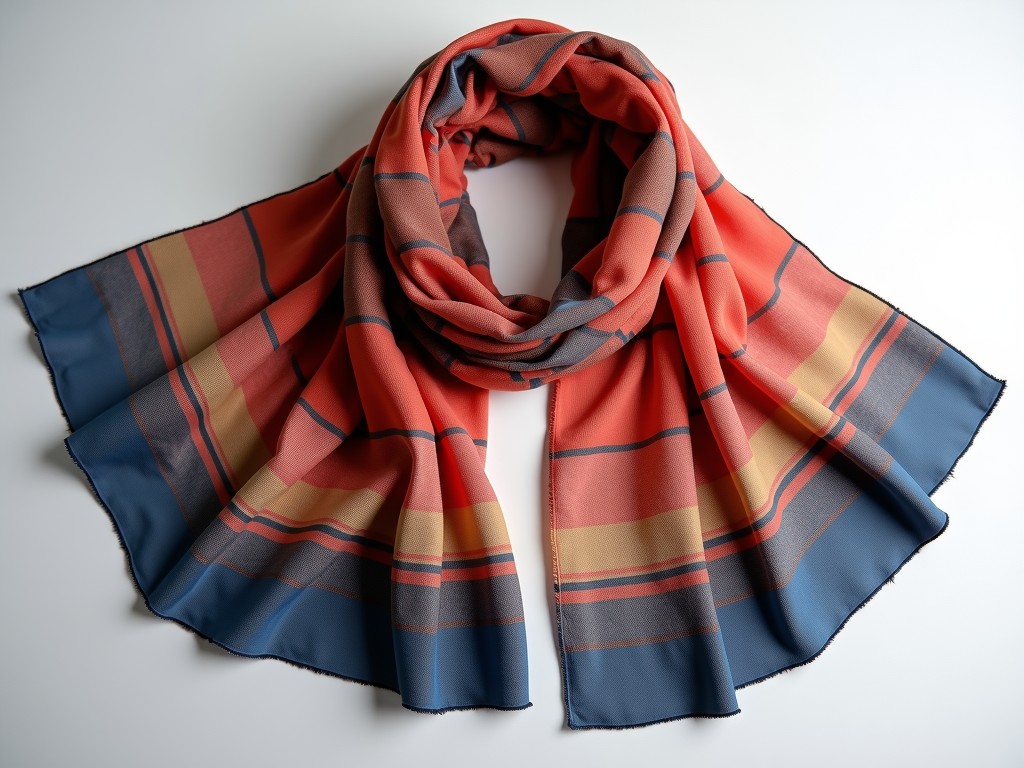
A chiffon scarf is a lightweight textile accessory made from chiffon fabric, which is a sheer, plain-woven material known for its soft drape and subtle sheen. Chiffon is typically constructed from synthetic fibers such as polyester or nylon, or natural fibers like silk, using a balanced plain weave that creates a slightly rough texture due to the use of high-twist yarns. This construction gives chiffon its characteristic transparency and fluid movement, making it distinct from heavier or more opaque fabrics. Unlike woven scarves designed for insulation, chiffon scarves are primarily valued for their aesthetic qualities—translucency, flow, and ability to layer without adding bulk.
Material Composition and Construction
The performance and appearance of a chiffon scarf depend heavily on its fiber content and yarn structure. Polyester chiffon offers high dimensional stability, resistance to wrinkling, and ease of care, making it suitable for frequent handling and washing. Silk chiffon provides superior luster, breathability, and a more luxurious hand feel, though it requires delicate care and is more susceptible to UV degradation. Nylon chiffon combines strength with elasticity, offering good recovery after stretching. The yarns used in chiffon are typically high-twist filament yarns—often twisted in alternating S and Z directions—which create the fabric’s slight puckering and enhance its drape. This twist level, usually ranging from 800 to 1,200 turns per meter, directly influences the fabric’s stiffness and movement.
Typical Specifications and Dimensional Properties
Chiffon scarves are generally produced in standard dimensions that balance coverage with wearability. Common widths range from 60 to 90 cm, allowing for versatile styling—whether worn loosely draped, knotted, or layered. Lengths typically fall between 160 and 180 cm, sufficient to wrap around the neck once or twice without excessive excess. The fabric weight, measured in grams per square meter (GSM), usually falls between 15 and 30 GSM for polyester or nylon chiffon, while silk chiffon may range from 12 to 25 GSM due to its finer denier. This low mass per unit area contributes to the scarf’s ability to float and move with air currents, a key functional trait in lightweight apparel design.
| Property | Typical Range |
|---|---|
| Width | 60–90 cm |
| Length | 160–180 cm |
| Fabric Weight (GSM) | 12–30 GSM |
| Yarn Twist (TPM) | 800–1,200 TPM |
| Opacity (Cover Factor) | Low (20–40%) |
Functional Characteristics and Performance Traits
The primary functional attributes of a chiffon scarf stem from its low density and high drape coefficient. Drape coefficient—a measure of how fabric conforms to curves under its own weight—is typically high in chiffon due to its low bending rigidity, allowing it to flow smoothly over the shoulders and neck without stiffening. Air permeability is relatively high, especially in silk and nylon variants, contributing to comfort in warm environments. However, chiffon offers minimal thermal insulation due to its open structure and low mass, making it unsuitable for cold-weather protection. Its tensile strength varies by fiber: polyester chiffon ranges from 40–60 cN/tex, silk from 30–50 cN/tex, and nylon from 50–70 cN/tex, providing sufficient durability for decorative use but not for high-abrasion applications.
Common Applications in Apparel and Textile Use
Chiffon scarves are employed in contexts where visual lightness and movement are prioritized over functional warmth or durability. In fashion, they serve as layering elements that add dimension without bulk—commonly worn over blouses, dresses, or evening wear to create soft, flowing lines. Their translucency allows underlying colors or patterns to show through, enabling complex visual layering. In performance or theatrical costumes, chiffon scarves are used to simulate effects like wind, water, or ethereal movement due to their responsiveness to air currents. They are also used in ceremonial or cultural attire where lightweight, decorative textiles are traditional. Unlike technical textiles used in industrial filtration or reinforcement, chiffon scarves are not engineered for load-bearing, chemical resistance, or environmental durability.
Care, Handling, and Longevity Considerations
Proper maintenance affects the lifespan and appearance of a chiffon scarf. Polyester and nylon chiffon can typically be machine washed on a gentle cycle with cold water and mild detergent, though air drying is recommended to prevent heat-induced yellowing or melting. Silk chiffon requires hand washing in cool water with pH-neutral detergent and should never be wrung or tumble dried. Ironing, if needed, should be done on low heat with a pressing cloth to avoid scorching or shine. Storage should avoid prolonged exposure to direct sunlight, which can degrade fibers—especially silk—and cause fading. Due to its delicacy, chiffon is prone to snagging; thus, it should be kept away from rough surfaces, jewelry, or Velcro fasteners. With appropriate care, a polyester chiffon scarf can maintain its appearance for 2–3 years of regular use, while silk versions may last longer if protected from light and moisture.
Products
Related Products
News
Related News

2026-11-02
Cotton Voile Scarf Manufacturing and Performance Analysis how to make a cotton voile scarfCreating a professional-grade cotton voile scarf requires a precise balance of textile engineering and artisanal finishing. Unlike standard cotton weaves, voile is defined by its p···

2026-10-28
chiffon hijab Technical Production and Performance AnalysisSelecting the right fabric for a hijab involves a delicate balance between modesty, breathability, and aesthetic drape. For many women in Southeast Asia and the Middle East, the ma···

2026-10-26
custom silk scarf textile manufacturing and performance analysisSelecting a high-quality scarf is no longer just about color matching; it is an exercise in understanding how textile weight, drape, and print scale interact with individual facial···
