Sage Green Chiffon Hijab
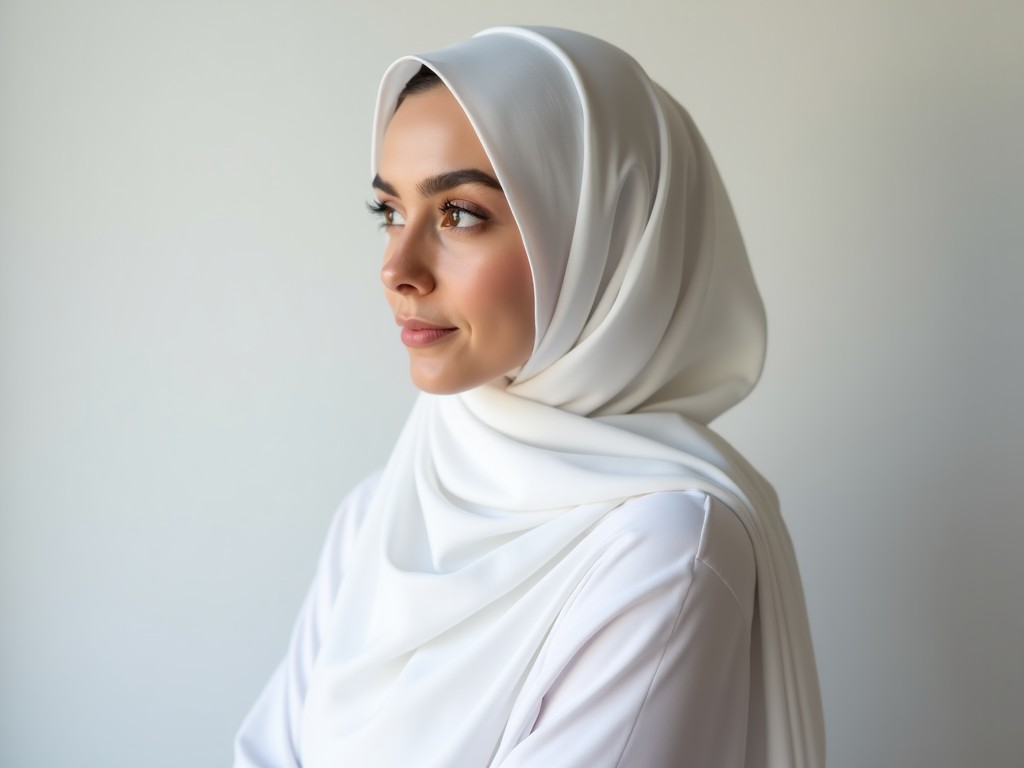
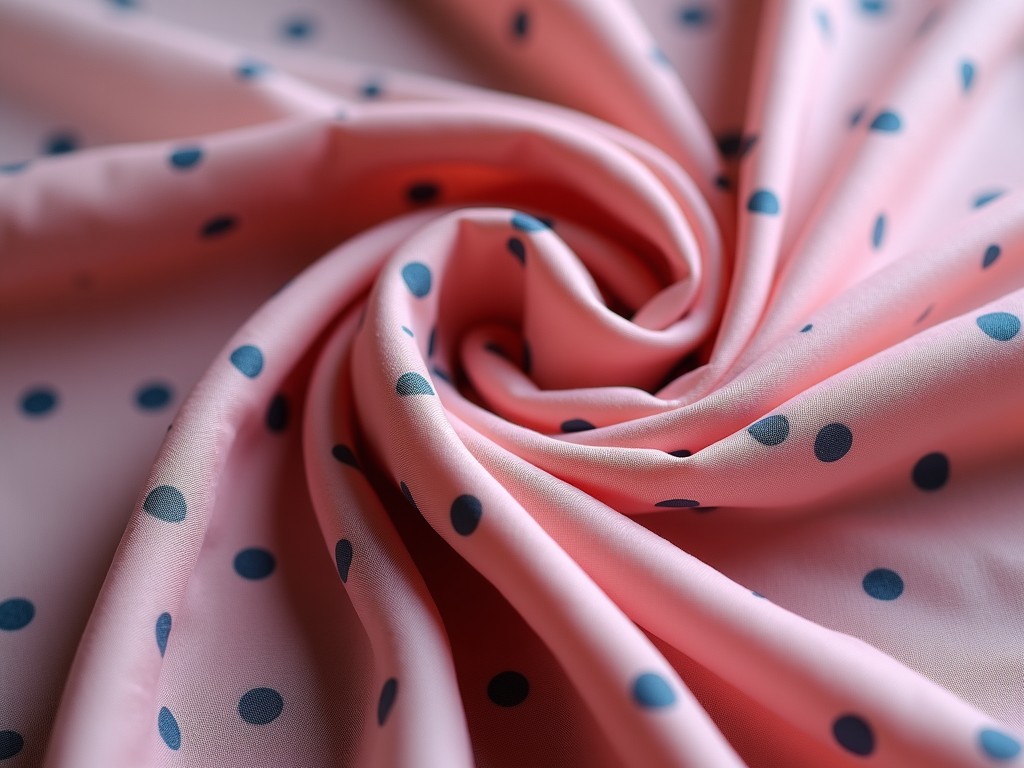

Sage Green Chiffon Hijab
This product page details the technical specifications, material behavior, and application considerations for sage green chiffon hijabs intended for industrial-scale procurement in textile
Sage Green Chiffon Hijab
This product page details the technical specifications, material behavior, and application considerations for sage green chiffon hijabs intended for industrial-scale procurement in textile distribution, uniform supply, and modest apparel manufacturing. The focus is on measurable characteristics that influence performance, durability, and end-use suitability.
Material Composition and Fabric Structure
The hijab is constructed from 100% polyester chiffon with a plain weave structure. The yarn count is 75D x 75D, resulting in a nominal fabric weight of 18 gsm (±2 gsm). This construction provides a balance between drape and tensile strength, with a typical tear resistance of 1.8 N in the warp direction and 1.5 N in the weft direction under ASTM D2261 testing conditions.
The sage green color is achieved through disperse dyeing at 130°C for 45 minutes, ensuring colorfastness to washing (ISO 105-C06: grade 4-5) and light exposure (ISO 105-B02: grade 4). The dye penetration is uniform across both sides of the fabric, minimizing visible variation when folded or draped.
Dimensional Stability and Shrinkage Behavior
Dimensional stability is critical for consistent sizing in bulk orders. The fabric exhibits less than 2% shrinkage in both warp and weft directions after three home laundering cycles at 40°C, measured per AATCC Test Method 135. This low shrinkage is due to the heat-setting process applied during finishing, which stabilizes the polyester polymer chains.
Width stability is maintained within ±3 mm across the standard 110 cm fabric width. Edge curling is minimized through a narrow hem (3 mm fold) applied via ultrasonic sealing, which prevents fraying without adding stiffness that could affect drape.
Drape and Handling Characteristics
Drape is quantified using the Cusick drape meter, where the chiffon exhibits a drape coefficient of 0.68 ±0.03, indicating moderate fluidity suitable for layered wrapping without excessive bulk. The bending length is 2.1 cm in warp and 2.3 cm in weft, reflecting symmetric flexibility.
Surface friction, measured via KES-FB system, shows a coefficient of friction (MIU) of 0.28, allowing smooth layering against itself or other textiles while maintaining enough grip to resist slippage during wear. This balance is essential for hijabs that must remain positioned without frequent adjustment.
Color Consistency and Lot-to-Lot Control
Color matching is controlled using spectrophotometric analysis under D65 illumination. Acceptable tolerance is ΔE < 1.5 between production lots, ensuring visual consistency in large orders. Each batch includes a master swatch for comparative inspection.
The sage green shade falls within CIELAB values L* 48–52, a* -8 to -4, b* 12–16, placing it in the muted green-gray spectrum. This specific tone is selected for its low reflectance in indoor lighting, reducing glare and enhancing visual comfort in prolonged wear scenarios.
Applications in Industrial and Institutional Settings
This hijab is suited for environments requiring consistent appearance and minimal maintenance, such as healthcare uniforms, hospitality staff attire, and educational institution dress codes. The polyester chiffon resists wrinkling better than silk alternatives and retains color after repeated industrial laundering.
In healthcare, the fabric’s low particle shedding (tested per IEST-RP-CC003.4) makes it appropriate for non-sterile zones where lint control is a concern. Its quick-drying nature (moisture regain <0.4%) supports hygiene protocols in high-turnover laundering cycles.
Comparison with Alternative Materials
| Property | Polyester Chiffon | Silk Chiffon | Viscose Chiffon |
|---|---|---|---|
| Weight (gsm) | 18 ±2 | 16 ±2 | 17 ±2 |
| Wash Shrinkage (%) | <2 | 5–8 | 4–6 |
| Tear Strength (Warp, N) | 1.8 | 0.9 | 1.2 |
| Colorfastness to Light | Grade 4 | Grade 2–3 | Grade 3 |
| Cost Relative to Base | 1.0 | 3.5 | 1.8 |
*Values are typical ranges; actual performance depends on finishing and environmental conditions.
Quality Control and Inspection Points
Each roll undergoes 100% visual inspection for color shade, print defects (if applicable), and surface anomalies such as snags or oil spots. Width is measured every 5 meters using laser gauges. Roll length is verified via meter counter, with tolerance ±0.5%.
Random samples from each batch are tested for pilling resistance (ASTM D3512, 5,000 cycles), abrasion resistance (Martindale, 12,000 cycles), and seam strength. Acceptance criteria are defined in the supplier’s internal QA manual, available upon request.
Packaging and Handling for Bulk Orders
Fabric is rolled on 3.2-inch diameter cores with inner wrapping of polyethylene film to prevent moisture ingress. Outer packaging uses corrugated cartons with burst strength ≥275 kPa. Each carton contains 50 kg of fabric, clearly labeled with lot number, color code, and yardage.
For finished hijabs, units are folded to a standard 25 cm × 30 cm profile and packed in polybags (50 µm thickness) at 100 pieces per carton. Cartons are sealed with pressure-sensitive tape and strapped for palletization. Humidity indicators are included in export shipments to monitor transit conditions.
Customization Options
Width can be customized between 100 cm and 120 cm without retooling. Length per piece is adjustable based on end-use, with common sizes ranging from 160 cm to 200 cm for adult wear. Hem width can be modified from 2 mm to 5 mm using thermal or ultrasonic methods.
Color matching to specific Pantone or RAL references is possible with a minimum dye lot of 200 kg. Additional finishes such as antimicrobial treatment (silver-ion based) or UV stabilizer can be applied upon request, with lead time impact disclosed during quotation.
For technical data sheets, sample requests, or to discuss specifications for your procurement needs, contact our technical team via the inquiry form. Provide your intended application, annual volume, and any required certifications to receive a tailored response.
Products
Related Products
News
Related News
2026-11-02
Cotton Voile Scarf Manufacturing and Performance Analysis how to make a cotton voile scarfCreating a professional-grade cotton voile scarf requires a precise balance of textile engineering and artisanal finishing. Unlike standard cotton weaves, voile is defined by its p···
2026-10-28
chiffon hijab Technical Production and Performance AnalysisSelecting the right fabric for a hijab involves a delicate balance between modesty, breathability, and aesthetic drape. For many women in Southeast Asia and the Middle East, the ma···
2026-10-26
custom silk scarf textile manufacturing and performance analysisSelecting a high-quality scarf is no longer just about color matching; it is an exercise in understanding how textile weight, drape, and print scale interact with individual facial···