Oem Purple Silk Chiffon Scarf






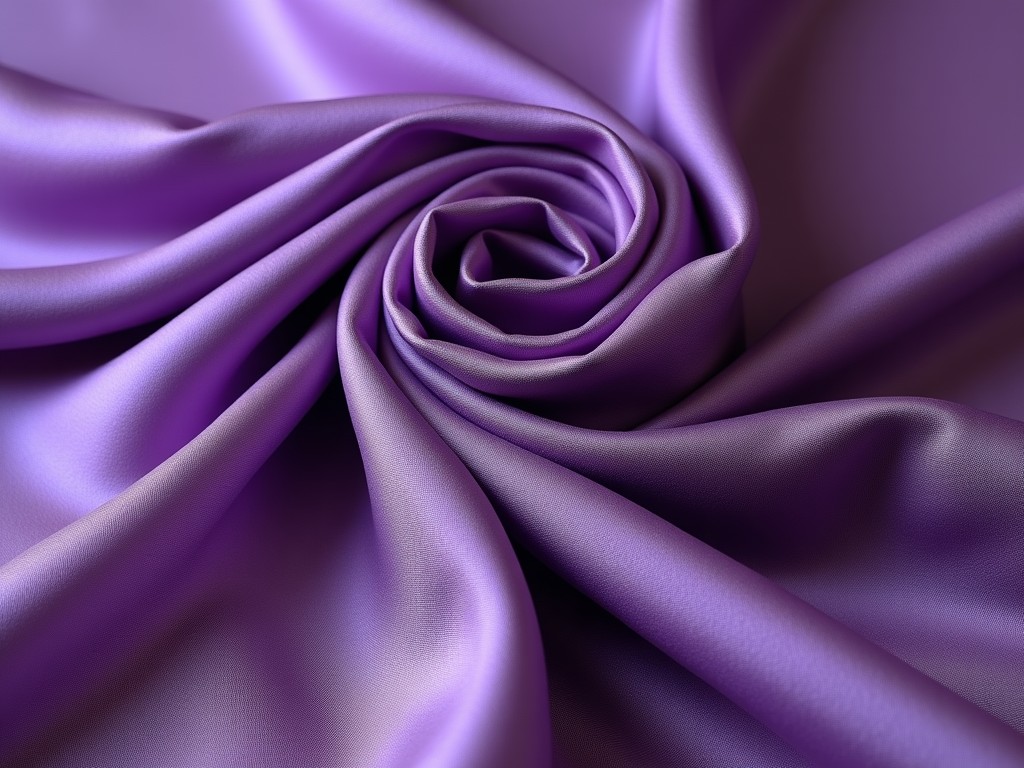
Oem Purple Silk Chiffon Scarf
This product page details the specifications, manufacturing considerations, and application rationale for OEM purple silk chiffon scarves intended for industrial procurement. The content focuses on
OEM Purple Silk Chiffon Scarf
This product page details the specifications, manufacturing considerations, and application rationale for OEM purple silk chiffon scarves intended for industrial procurement. The content focuses on material behavior, dimensional control, and finishing processes relevant to buyers evaluating technical suitability.
Material Composition and Fiber Characteristics
The scarf is constructed from 100% mulberry silk fibroin, processed into a plain weave chiffon structure. Fiber diameter averages 10-13 micrometers, contributing to the fabric’s translucency and drape. The natural protein structure of silk provides inherent moisture absorption (up to 30% of its weight) and thermal regulation, which influences handling during dyeing and finishing. Unlike synthetic alternatives, silk chiffon exhibits anisotropic light refraction due to its triangular fiber cross-section, resulting in the characteristic subtle luster associated with the color purple in this context.
Dyeing Process and Color Stability
The purple hue is achieved through acid dye fixation under controlled pH (4.5-5.5) and temperature (85-95°C) conditions. Dye penetration is verified via spectrophotometric analysis to ensure CIELAB values fall within ΔE < 2.0 from the target standard across production batches. Post-dyeing, a mild acid bath neutralizes residual alkali, reducing the risk of fiber degradation. Colorfastness to light (ISO 105-B02) typically achieves grade 4-5, while washing fastness (ISO 105-C06) reaches grade 4, critical for applications requiring repeated handling without noticeable fading.
Dimensional Specifications and Tolerance Control
Standard dimensions are 90 cm × 90 cm with a tolerance of ±0.5 cm in both length and width, maintained through laser-guided cutting after fabric relaxation. The raw silk chiffon exhibits 3-5% shrinkage potential upon first wet processing; therefore, pre-washing and heat-setting are performed prior to cutting to stabilize dimensions. Hemming is executed with a 3mm rolled edge using ultrasonic bonding or fine-thread overlock, minimizing added weight while preventing fraying. These controls ensure consistency for automated packaging and retail presentation.
Weight and Drape Performance
The fabric weight is 12-16 gsm (grams per square meter), measured per ISO 3801. This low mass contributes to the fluid drape characteristic of chiffon, quantified by a cantilever bend length of 8-12 cm in the warp direction and 10-14 cm in the weft direction under ASTM D1388 testing. The high drape coefficient (>0.7) allows the scarf to conform closely to contours without stiffness, a key factor in its use as a layered accessory. Weight uniformity is monitored via random sampling, with coefficient of variation kept below 8% to ensure consistent hand feel.
Quality Inspection Protocol
Each batch undergoes 4-point inspection per ASTM D5430, evaluating defects such as skipped picks, broken ends, and dye streaks. Acceptable quality level (AQL) is set at 2.5 for major defects and 4.0 for minor defects. Additional checks include pH residue testing (target 4.5-6.0) to prevent skin irritation and formaldehyde screening (undetectable per ISO 14184-1) to meet international safety standards. Final inspection occurs under 5000K daylight simulation to assess color consistency under neutral lighting.
Comparison Table: Silk Chiffon vs. Synthetic Alternatives
| Property | Silk Chiffon | Polyester Chiffon | Rayon Chiffon |
|---|---|---|---|
| Fiber Origin | Natural protein | Synthetic polymer | Regenerated cellulose |
| Weight (gsm) | 12-16 | 10-18 | 14-20 |
| Moisture Regain | 11% | 0.4% | 11-15% |
| Dye Affinity | High (acid dyes) | Moderate (disperse) | High (direct/reactive) |
| Drape Coefficient | >0.7 | 0.5-0.6 | 0.6-0.7 |
| UV Degradation Resistance | Moderate | High | Low |
Applications in Industrial and Commercial Contexts
This scarf is selected in high-end apparel manufacturing where natural fiber preference and biodegradability are part of product positioning, particularly in markets with stringent environmental labeling requirements. Its lightweight nature allows for layering without adding bulk, making it suitable for seasonal collections where thermal comfort is a design consideration. The fluid drape enables use in garments requiring soft folding or draping effects, such as unstructured blazers or evening wear overlays, where stiffness would compromise aesthetic intent. Procurement teams specify silk chiffon when the end product requires a premium hand feel that correlates with perceived value in luxury segments.
Customization Options and Technical Constraints
Dimensions can be adjusted between 70 cm × 70 cm and 110 cm × 110 cm, subject to loom width limitations and minimum order quantities typically starting at 500 pieces per variant. Color matching is available via Pantone reference or physical sample, with lab-dip approval required before bulk production. Edge finishes include micro-hem, silk-thread rolled edge, or ultrasonic sealing, each affecting weight and fray resistance differently. Custom printing (e.g., digital sublimation) is feasible but may alter hand feel due to polymer binder deposition; sampling is recommended to assess impact on drape and breathability.
Packaging and Logistics Considerations
Scarves are folded to a uniform 15 cm × 15 cm footprint using automated board folding to reduce creasing during transit. Each unit is wrapped in acid-free tissue paper (pH 7-8) to prevent dye transfer and placed in recyclable polybags with 40μm thickness. Cartonization follows a 3×4×5 layer configuration (60 units per carton) with corrugated fiberboard meeting ISTA 1A standards for general merchandise. Humidity indicators are included in master cartons for long-haul shipments to monitor moisture exposure, as silk is hydrophilic and susceptible to water staining if packaging integrity is compromised.
Products
Related Products
News
Related News

2026-11-02
Cotton Voile Scarf Manufacturing and Performance Analysis how to make a cotton voile scarfCreating a professional-grade cotton voile scarf requires a precise balance of textile engineering and artisanal finishing. Unlike standard cotton weaves, voile is defined by its p···

2026-10-28
chiffon hijab Technical Production and Performance AnalysisSelecting the right fabric for a hijab involves a delicate balance between modesty, breathability, and aesthetic drape. For many women in Southeast Asia and the Middle East, the ma···

2026-10-26
custom silk scarf textile manufacturing and performance analysisSelecting a high-quality scarf is no longer just about color matching; it is an exercise in understanding how textile weight, drape, and print scale interact with individual facial···
