Mens Chiffon Scarf Supplier






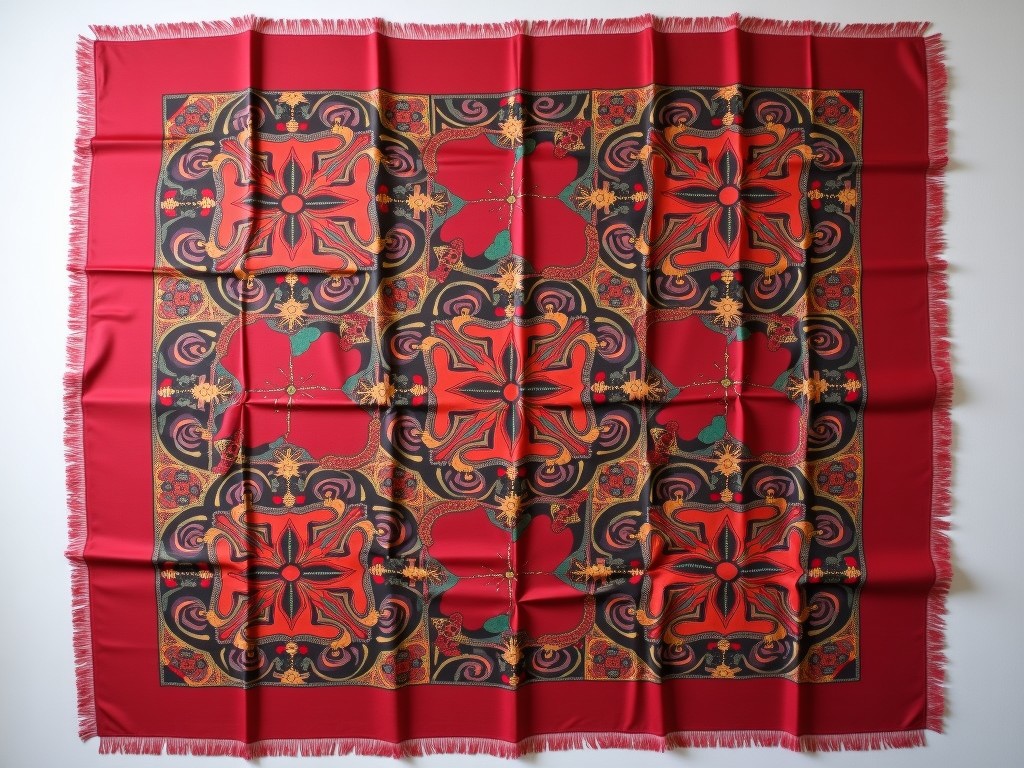
Mens Chiffon Scarf Supplier
As a dedicated mens chiffon scarf supplier, we focus on providing lightweight, semi-sheer textile solutions designed for fashion apparel and accessory manufacturing. Our production process emphasizes
Mens Chiffon Scarf Supplier
As a dedicated mens chiffon scarf supplier, we focus on providing lightweight, semi-sheer textile solutions designed for fashion apparel and accessory manufacturing. Our production process emphasizes consistent filament integrity, dimensional stability, and dye compatibility to meet the technical demands of garment assembly lines.
Chiffon fabric for mens scarves typically utilizes twisted filament yarns made from polyester, silk, or viscose blends, resulting in a plain weave structure with balanced crimp and controlled air permeability. These characteristics influence drape behavior, seam performance, and end-use comfort in layered or standalone wear applications.
We supply chiffon scarves in roll form or pre-cut units, engineered to minimize fraying during cutting and sewing. Edge finishes include rolled hems, serged borders, or fused tapes, selected based on yarn type and intended laundering cycles to maintain dimensional accuracy after repeated wash exposure.
Material Construction and Performance Attributes
The mechanical behavior of mens chiffon scarves derives from yarn twist level, denier count, and weave tightness. Standard specifications range from 20D to 40D polyester filament with 80–120 twists per meter, producing a fabric weight between 15–25 GSM suitable for spring/fall layering without excessive bulk.
Air permeability typically falls between 150–300 mm/s, allowing breathability while maintaining visual opacity sufficient for solid or printed designs. Tensile strength along the warp direction averages 1.8–2.5 cN/tex, with elongation at break between 15–25%, accommodating stress during folding, packing, and consumer handling.
Colorfastness is evaluated using ISO 105-B02 for light exposure and ISO 105-C06 for washing, with reactive or disperse dyes selected based on fiber type to achieve ratings of 4+ on the grey scale after 20 wash cycles at 40°C. This ensures minimal fading in retail display and end-use environments.
Customization Options for Industrial Buyers
We support technical customization across yarn selection, weave parameters, width tolerance, and edge treatment to align with specific cutting dies, sewing equipment, and packaging workflows. Buyers can specify nominal width from 140cm to 180cm with tolerance ±2mm, critical for automated cutting systems requiring consistent roll geometry.
Length per roll is adjustable between 50m and 200m, with core diameter options of 38mm or 50mm to match unwind tension controls. Print compatibility includes digital sublimation for polyester and reactive printing for silk/viscose, with color matching available upon submission of Pantone references or lab dip approval.
Additional finishes such as anti-static treatment, softening agents, or UV stabilizers can be applied post-weave based on end-use climate exposure or storage duration. All modifications are documented in batch-specific technical data sheets to support traceability and quality audits.
Quality Control and Inspection Protocol
Each production lot undergoes systematic inspection based on AQL 2.5 standards for visual defects and ISO 9001-aligned procedures for dimensional and physical properties. Checks include yarn evenness (U% < 12%), pick density variation (±3 threads/cm), and shade consistency across roll length using spectrophotometer monitoring (ΔE < 1.5).
Roll winding tension is maintained between 1.0–1.5 N to prevent telescoping or slack layers that could cause misfeeds during cutting. Edge integrity is verified under 10x magnification to detect snags, skipped threads, or heat sealing defects that may propagate during sewing.
Random samples are subjected to accelerated wash tests (5 cycles at 60°C) and dry rub crocking tests to assess color transfer risk. Results are compiled into batch reports available upon request, supporting buyer compliance with OEM textile standards and retail vendor requirements.
Applications in Fashion Manufacturing and Supply Chains
Mens chiffon scarves serve as intermediate components in cut-and-sew operations for branded apparel, private label collections, and seasonal fashion lines. Their lightweight structure allows integration into layered designs—such as lining accents, drape overlays, or detachable accessories—without adding significant weight or stiffness to the final garment.
In supply chain contexts, consistent roll geometry and predictable shrinkage (<2% after relaxation) enable accurate fabric utilization forecasting, reducing waste in automated cutting rooms. The fabric’s low torque minimizes skewing during spreading, improving marker efficiency in high-volume production.
Distributors benefit from compact packaging—rolls are wrapped in polyethylene film and placed in corrugated cartons with humidity indicators—optimizing warehouse space and protecting against moisture ingress during transit. Shelf life exceeds 24 months when stored flat at 20±5°C and 50±10% RH.
| Parameter | Typical Range | Test Method / Reference |
|---|---|---|
| Fabric Weight | 15–25 GSM | ISO 3801 |
| Warp Tensile Strength | 1.8–2.5 cN/tex | ISO 13934-1 |
| Elongation at Break | 15–25% | ISO 13934-1 |
| Air Permeability | 150–300 mm/s | ISO 9237 |
| Colorfastness to Washing | Grey Scale 4+ | ISO 105-C06 |
| Shrinkage (Relaxation) | <2% | ISO 6330 |
Technical support includes assistance with yarn substitution analysis, shrinkage prediction modeling, and seam strength evaluation based on intended stitch type and thread selection. We provide roll labeling with batch numbers, production date, and care symbols to support traceability through cutting, sewing, and distribution stages.
For buyers requiring validation, we offer laboratory test reports covering dimensional stability, pilling resistance (ISO 12945-2), and differential scanning calorimetry (DSC) for thermal behavior assessment. These documents support technical dossiers for compliance with regional textile regulations or retailer sustainability frameworks.
All shipments include packing lists with HS codes (6117.10 for scarves, 5808.90 for chiffon fabric) and country of origin markings. Export documentation is prepared to meet customs requirements in North America, EU, and ASEAN markets, reducing clearance delays.
Products
Related Products
News
Related News

2026-11-02
Cotton Voile Scarf Manufacturing and Performance Analysis how to make a cotton voile scarfCreating a professional-grade cotton voile scarf requires a precise balance of textile engineering and artisanal finishing. Unlike standard cotton weaves, voile is defined by its p···

2026-10-28
chiffon hijab Technical Production and Performance AnalysisSelecting the right fabric for a hijab involves a delicate balance between modesty, breathability, and aesthetic drape. For many women in Southeast Asia and the Middle East, the ma···

2026-10-26
custom silk scarf textile manufacturing and performance analysisSelecting a high-quality scarf is no longer just about color matching; it is an exercise in understanding how textile weight, drape, and print scale interact with individual facial···
