How To Tie And Wear Chiffon Neck Scarf






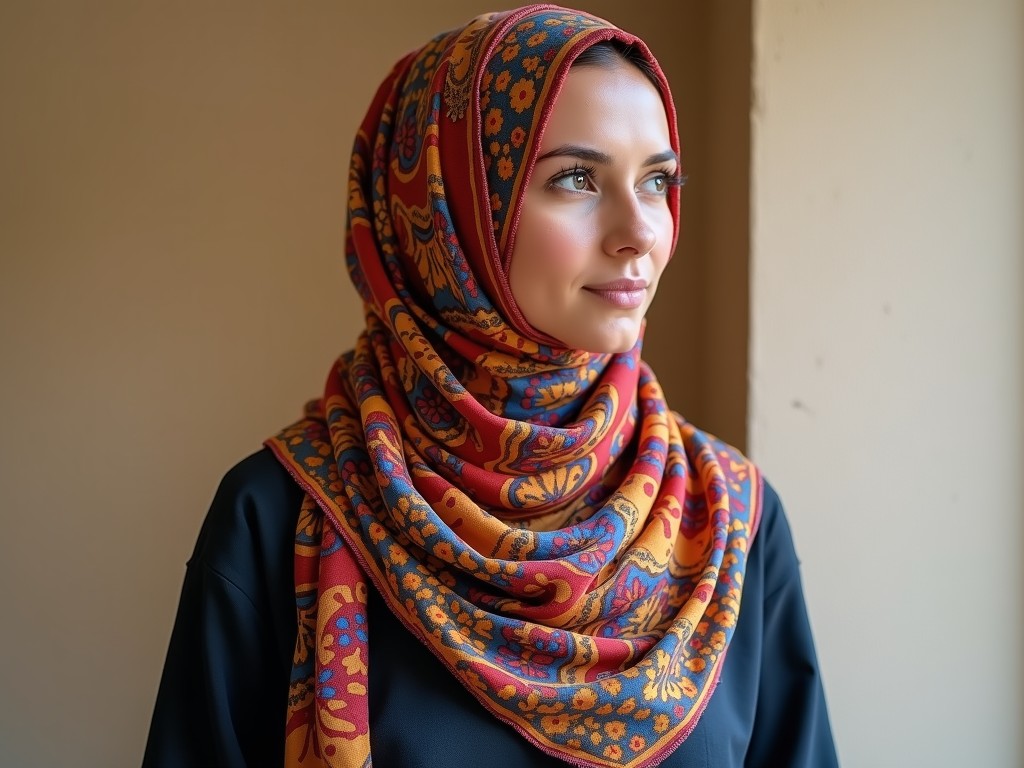
How To Tie And Wear Chiffon Neck Scarf
A chiffon neck scarf is a lightweight textile accessory commonly used in professional environments where subtle presentation matters. This guide explains practical methods for securing and styling
How to Tie and Wear a Chiffon Neck Scarf
A chiffon neck scarf is a lightweight textile accessory commonly used in professional environments where subtle presentation matters. This guide explains practical methods for securing and styling chiffon scarves based on fabric behavior, drape characteristics, and functional needs in industrial, corporate, and technical settings.
Understanding Chiffon Fabric Properties
Chiffon is a plain-woven fabric made from highly twisted yarns, typically polyester, silk, or nylon. The tight twist gives it a slight stretch and a characteristic sheer, fluid drape. For industrial use, polyester chiffon is preferred due to its dimensional stability, resistance to wrinkling, and ease of maintenance. Fabric weight usually ranges from 15 to 30 gsm, affecting how it holds knots and responds to tension.
Unlike heavier fabrics, chiffon requires specific handling to avoid slippage or uneven tension. Its low friction surface means knots can loosen under movement if not structured properly. Understanding these properties helps in selecting tying methods that maintain position and appearance throughout extended wear.
Preparing the Scarf for Wear
Begin with a scarf measuring approximately 160–180 cm in length and 20–25 cm in width. These dimensions provide sufficient material for multiple wrapping styles without excessive bulk. Inspect the edges for fraying; hemmed or serged ends prevent unraveling during handling. If the scarf has a directional pattern or sheen, orient it so the preferred face is visible when worn.
Before tying, allow the scarf to hang freely to release any folding creases. Chiffon retains memory from folding, so letting it rest for 10–15 minutes helps achieve a smooth drape. Avoid ironing directly; if needed, use a low-heat setting with a pressing cloth to prevent shine or melting, especially with synthetic fibers.
Basic Overhand Knot Method
This method creates a secure, low-profile knot suitable for environments where the scarf should not interfere with movement or equipment. Fold the scarf in half lengthwise to form a loop. Place the folded end around the neck, bringing the loose ends through the loop. Pull gently to tighten, ensuring the knot sits just below the collarbone.
Adjust the ends to hang evenly, typically 20–30 cm each. The friction from the folded layer helps prevent slippage. This style works well with open-collar shirts or lightweight jackets and is easily released if needed. It minimizes bulk while maintaining a neat appearance.
Double Loop Technique for Added Security
For environments with frequent movement or vibration, the double loop method increases holding strength. Start with the scarf unfolded. Wrap it once around the neck, crossing the ends at the front. Bring one end over the shoulder and under the opposite arm, then repeat with the other end to create a second loop around the torso.
Tuck both ends under the layers at the back or side, depending on mobility needs. This distributes tension across multiple points, reducing stress on any single knot. The double loop also adds subtle volume, which can help balance proportions when worn under structured outerwear.
Asymmetrical Drape for Professional Presentation
In client-facing or ceremonial roles, an asymmetrical drape conveys intentionality without formality. Drape the scarf around the neck with one end significantly longer—typically 40–50 cm—while the other remains short, 10–15 cm. Take the longer end, pass it diagonally across the chest, and tuck it behind the short end or under a layer of clothing.
This method relies on friction and fabric weight to stay in place. It works best with slightly heavier chiffon (25–30 gsm) or when layered under a blazer. The asymmetry draws the eye vertically, which can be useful in presentations or when aligning with identification badges or tools.
Material and Dimensional Considerations
Polyester chiffon with a denier of 15–30D offers the best balance of drape, durability, and cost for industrial use. Silk chiffon provides superior drape but requires careful handling and is less resistant to environmental exposure. Nylon chiffon has higher abrasion resistance but may generate static in dry conditions.
Width affects how the scarf layers; narrower widths (18–20 cm) reduce bulk when multiple wraps are used. Length determines styling flexibility—scarves under 150 cm limit options, while those over 200 cm may require tucking or folding to manage excess. Always test a sample with intended tying methods before bulk procurement.
| Property | Typical Range | Industrial Relevance |
|---|---|---|
| Fabric Weight | 15–30 gsm | Affects drape and knot stability |
| Yarn Denier | 15–30D | Balances strength and flexibility |
| Length | 160–180 cm | Supports multiple tying styles |
| Width | 20–25 cm | Controls layering and bulk |
Maintenance and Longevity
To preserve appearance, hand wash in cool water with mild detergent or use a gentle machine cycle in a mesh bag. Avoid wringing; instead, press out water and lay flat to dry. Heat from tumble drying can set wrinkles or damage synthetic fibers. Store rolled or on a wide hanger to prevent creasing at fold points.
With proper care, polyester chiffon scarves maintain color and texture for 50+ wash cycles. Inspect quarterly for edge wear or loss of twist in yarns, which can reduce opacity and increase slip. Replace when fraying exceeds 2 mm or when the fabric no longer holds a knot securely after adjustment.
For procurement, specify fabric construction, dimensions, and finish requirements in technical datasheets. Request samples with standardized tying tests to evaluate real-world performance before approval.
Products
Related Products
News
Related News

2026-11-02
Cotton Voile Scarf Manufacturing and Performance Analysis how to make a cotton voile scarfCreating a professional-grade cotton voile scarf requires a precise balance of textile engineering and artisanal finishing. Unlike standard cotton weaves, voile is defined by its p···

2026-10-28
chiffon hijab Technical Production and Performance AnalysisSelecting the right fabric for a hijab involves a delicate balance between modesty, breathability, and aesthetic drape. For many women in Southeast Asia and the Middle East, the ma···

2026-10-26
custom silk scarf textile manufacturing and performance analysisSelecting a high-quality scarf is no longer just about color matching; it is an exercise in understanding how textile weight, drape, and print scale interact with individual facial···
