Diamond Chiffon Shawl Scarf






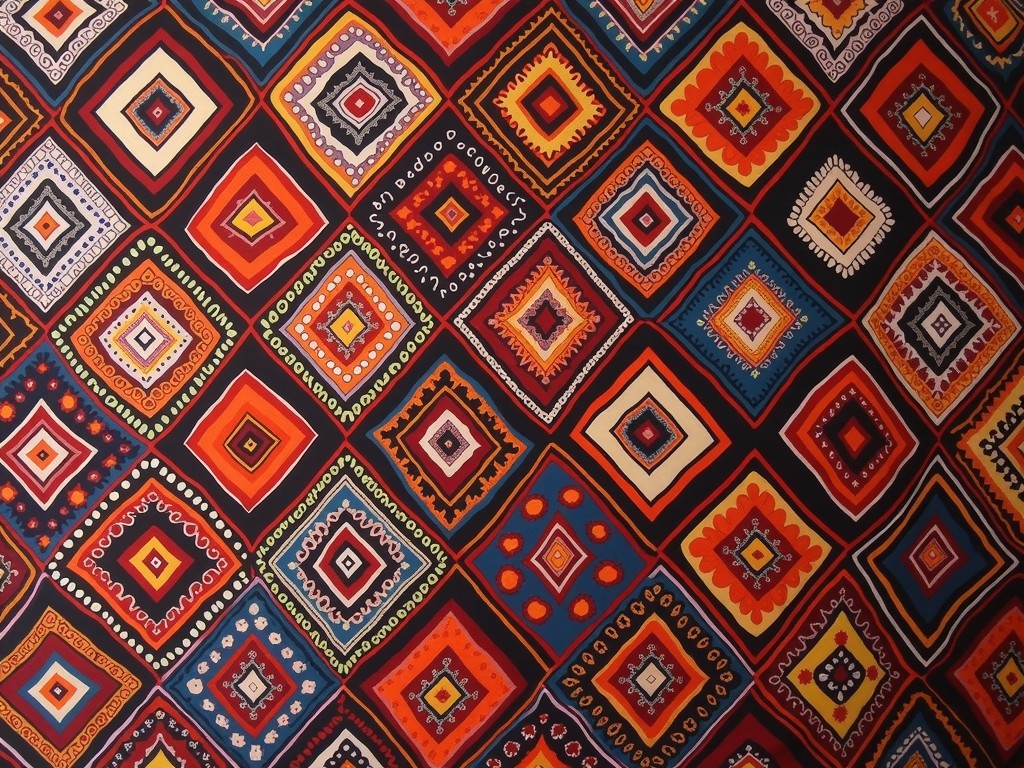
Diamond Chiffon Shawl Scarf
The diamond chiffon shawl scarf is a lightweight textile product engineered for decorative and functional use in commercial and industrial settings. Constructed from 100% polyester chiffon with a
Diamond Chiffon Shawl Scarf: Technical Specifications and Industrial Applications
The diamond chiffon shawl scarf is a lightweight textile product engineered for decorative and functional use in commercial and industrial settings. Constructed from 100% polyester chiffon with a diamond-pattern weave, it offers a balance of translucency, drape, and durability suitable for environments requiring aesthetic refinement without compromising on practical performance. This product is commonly specified in hospitality, event production, and retail display applications where consistent appearance and ease of maintenance are critical.
Unlike heavier fabrics, this chiffon variant maintains structural integrity under repeated handling while providing a soft, flowing visual effect. Its open-weave construction allows for controlled light diffusion, making it appropriate for use in lighting fixtures, backdrop systems, and semi-transparent partitioning where both visibility and subtlety are design requirements.
Material Composition and Construction
The base material is filament polyester yarn, selected for its resistance to stretching, shrinking, and UV degradation compared to natural fibers. Each yarn is processed through a tight-twist spinning method to enhance tensile strength while retaining the fine denier necessary for chiffon’s characteristic sheen and flexibility. The diamond pattern is achieved via a dobby weave, which creates raised geometric motifs without adding significant weight or stiffness.
Typical fabric weight ranges from 45 to 55 GSM (grams per square meter), placing it in the ultralight category for industrial textiles. Thread count averages 120 ends per inch (EPI) by 80 picks per inch (PPI), ensuring sufficient opacity for decorative use while maintaining air permeability. The fabric undergoes a heat-setting process post-weave to stabilize dimensions and prevent skew during cutting or sewing.
Colorfastness is rated at minimum 4 on the Gray Scale for both washing and light exposure (ISO 105-B02 and ISO 105-B04), indicating suitability for indoor environments with moderate sunlight exposure. Dyeing is performed using disperse dyes optimized for polyester, ensuring uniform penetration and resistance to fading under standard cleaning cycles.
Dimensional Stability and Finishing Options
Standard roll widths are 150 cm, with custom slit widths available down to 30 cm upon request. Length is typically supplied in 50-meter continuous rolls to minimize seams in large-scale installations. Edge finishing options include ultrasonic sealing, which prevents fraying without adding weight or stiffness, and narrow hem stitching (3 mm) using polyester thread matched to fabric color.
Dimensional change after washing (at 30°C, gentle cycle) is typically less than 2% in both warp and weft directions, as verified through AATCC Test Method 135. This low shrinkage rate ensures that fabricated components such as drapes, panels, or layered assemblies maintain alignment over time. The fabric exhibits minimal pilling due to the filament yarn structure and smooth surface finish.
For applications requiring flame resistance, the fabric can be treated with a halogen-free, phosphorus-based flame retardant additive during finishing, achieving a Class B1 rating (DIN 4102) or equivalent NFPA 701 compliance. Treatment add-on is controlled to less than 8% of fabric weight to preserve drape and hand feel.
Comparative Performance: Diamond Chiffon vs. Standard Chiffon
| Property | Standard Chiffon | Diamond Chiffon |
|---|---|---|
| Fabric Weight (GSM) | 30–40 | 45–55 |
| Thread Count (EPI x PPI) | 100 x 60 | 120 x 80 |
| Tensile Strength (Warp/Weft, N/5cm) | 80 / 60 | 110 / 85 |
| Light Diffusion (Transmittance %) | 65–75 | 50–60 |
| Pattern Definition | None (plain weave) | Dobby diamond motif |
| Typical Use Case | Scarves, overlays, lightweight drapery | Event backdrops, hospitality screens, branded displays |
*Values represent typical ranges; actual properties may vary based on dye lot and finishing.
Industrial Applications and Use Cases
In hospitality environments, diamond chiffon is frequently used as a decorative layer over solid banquet table linens. The raised diamond pattern adds visual texture without obscuring the base color, while the sheer quality allows ambient lighting to interact with underlying hues. This application reduces the need for frequent full linen replacement, as the chiffon layer protects against light soiling and can be removed for individual cleaning.
Retail and exhibition designers specify this fabric for creating layered backdrop systems in pop-up displays and trade show booths. Its lightweight nature allows for easy suspension from aluminum truss systems using clip-on fasteners or hook-and-loop tape. The diamond pattern provides visual interest at viewing distances of 2–5 meters, enhancing brand visibility without requiring heavy materials or complex framing.
Additionally, the fabric is used in architectural interiors as a soft partitioning element in open-plan offices or wellness centers. When layered in multiple panels with slight overlap, it creates a diffused visual barrier that maintains spatial openness while offering mild acoustic dampening due to its porous structure. Fire-retardant versions meet interior finish codes for commercial spaces when installed with appropriate spacing from heat sources.
Customization and Ordering Considerations
Width customization is available through precision slitting, with tolerances of ±2 mm. Length can be supplied in continuous rolls or pre-cut to specified lengths with sealed ends to prevent unraveling. Color matching follows Pantone Textile standards; lab-dip approval is recommended for critical color consistency across batches.
For clients requiring branded elements, jacquard weaving of logos or patterns is possible at minimum order quantities starting at 300 linear yards, depending on design complexity. Alternative finishes include anti-static treatment (surface resistivity <10¹¹ Ω/sq) for environments with sensitive electronic equipment, and water-repellent coating (ISO 9865 spray test rating 4–5) for temporary outdoor use.
Minimum order quantity for standard stock colors is 50 meters. Lead time for made-to-order colors or finishes is typically 3–4 weeks after approval of lab dip and finish sample. All rolls are wound on 3-inch diameter cores with polyethylene outer wrapping and labeled with product code, width, length, and batch number for traceability.
Quality Control and Inspection
Each roll undergoes 100% visual inspection under 500 lux daylight simulation lighting to detect flaws such as broken picks, missing ends, or dye streaks. Defects are marked and logged according to the 4-point system, with acceptance criteria set at no more than 40 points per 100 square yards. Roll length is verified using laser encoders with tolerance of ±0.5%.
Width consistency is monitored at 10-meter intervals using optical sensors, with alerts triggered for deviations exceeding ±3 mm. Tensile strength and tear resistance are tested on a sampling basis (1 per 500 meters) using Instron equipment calibrated to ASTM D5035 and D2261. Colorfastness to washing and light is validated quarterly using AATCC methods.
Finished goods are audited for correct labeling, core stability, and end sealing before warehousing. Documentation including test reports, material safety data sheets (MSDS), and compliance certificates (OEKO-TEX Standard 100, REACH) is available upon request. These practices ensure that each shipment meets the performance expectations of industrial buyers who prioritize consistency and risk mitigation.
For technical inquiries, custom specifications, or to request a physical sample kit containing width options, color swatches, and finish samples, contact our industrial textiles team.
Request Sample or QuotationProducts
Related Products
News
Related News

2026-11-02
Cotton Voile Scarf Manufacturing and Performance Analysis how to make a cotton voile scarfCreating a professional-grade cotton voile scarf requires a precise balance of textile engineering and artisanal finishing. Unlike standard cotton weaves, voile is defined by its p···

2026-10-28
chiffon hijab Technical Production and Performance AnalysisSelecting the right fabric for a hijab involves a delicate balance between modesty, breathability, and aesthetic drape. For many women in Southeast Asia and the Middle East, the ma···

2026-10-26
custom silk scarf textile manufacturing and performance analysisSelecting a high-quality scarf is no longer just about color matching; it is an exercise in understanding how textile weight, drape, and print scale interact with individual facial···
