Voile Window Scarf Technical Manufacturing and how to make a voile window scarf
Latest Articles
Cotton Voile Scarf Manufacturing and Performance Analysis how to make a cotton voile scarf
2026-11-02
chiffon hijab Technical Production and Performance Analysis
2026-10-28
custom silk scarf textile manufacturing and performance analysis
2026-10-26
Scarf Manufacturers Technical Production Analysis
2026-10-22
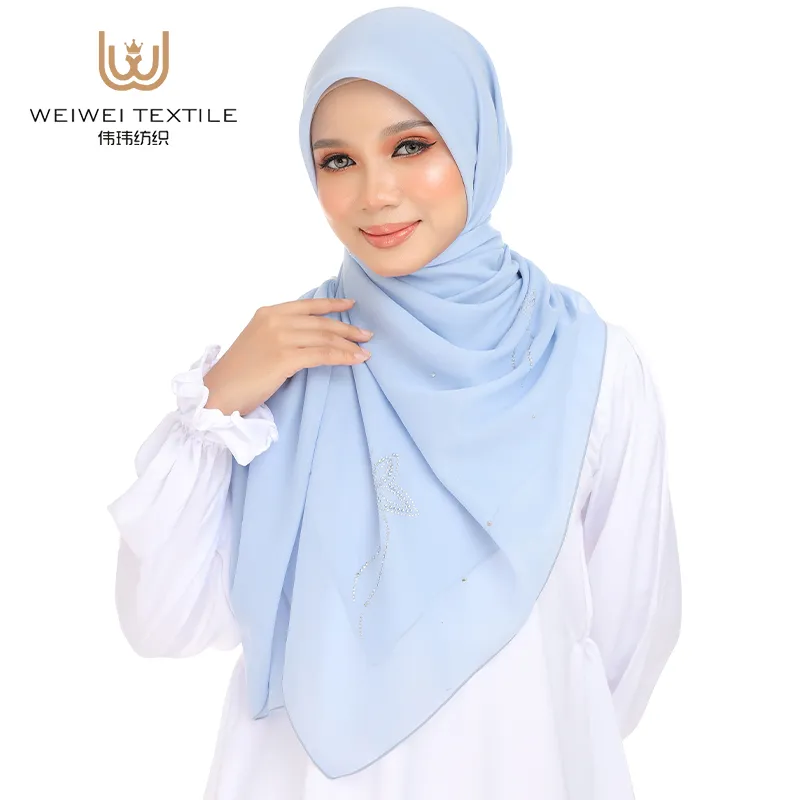
Voile Valance how to hang valance scarf swag voile Installation Analysis
2026-10-20
Voile Window Scarf Technical Manufacturing and how to make a voile window scarf
2026-09-21
2026-09-21
Voile Window Scarf Technical Manufacturing and how to make a voile window scarf
Creating a bespoke window treatment requires a balance between fabric selection and structural execution. When considering how to make a voile window scarf, the primary goal is to leverage the sheer, lightweight nature of the textile to diffuse light while maintaining a soft, draped aesthetic that complements the interior architecture.
The textile industry has seen a shift toward multifunctional fabrics that transition from traditional apparel to home décor. Voile, traditionally prized for its use in high-quality scarves and hijabs, is increasingly adapted for window dressings due to its breathability and elegant transparency, making it a preferred choice for those seeking a minimalist yet sophisticated atmosphere.
Understanding the technical properties of the material is the first step in achieving a professional finish. By exploring the intersection of textile manufacturing and interior design, homeowners and designers can learn how to make a voile window scarf that balances durability with ethereal beauty.
Material Fundamentals of Voile
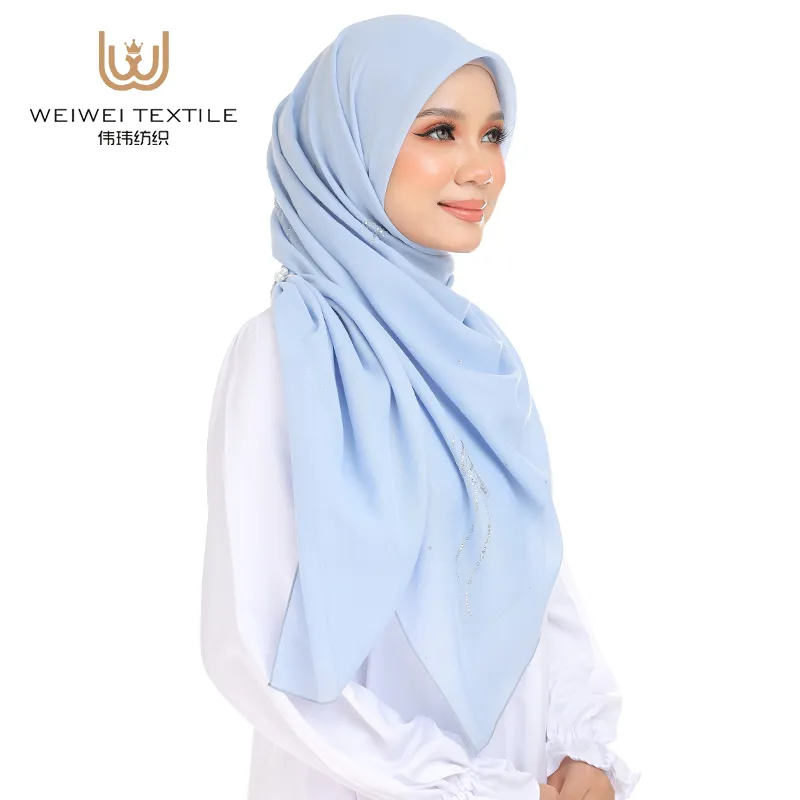
Voile is a soft, sheer fabric, usually made from 100% cotton or a polyester blend, characterized by a high thread count but a lightweight feel. In the context of the textile industry, particularly in regions like Xinji where advanced weaving workshops operate, the quality of voile is determined by the consistency of the yarn and the precision of the loom.
When applying this to window treatments, the material's inherent stability prevents excessive shrinking, while its semi-transparent nature allows natural light to filter through without compromising total privacy. This makes it a versatile bridge between heavy curtains and completely open windows.
Technical Requirements for Drape
To achieve a professional "scarf" look on a window, the fabric must possess a specific gravity and elasticity. If the material is too stiff, the folds will appear angular and unnatural; if it is too flimsy, the scarf will collapse rather than hold a graceful arc. This is why the processing stage—including the finishing and sizing of the fabric—is critical.
The edge treatment is equally vital. In mass production, neat edges are achieved through specialized overlocking or rolled hems. For a window scarf, the hem must be weighted enough to pull the fabric downward but light enough not to distort the sheer appearance of the voile.
Integration of different materials, such as mixing polyester for durability with cotton for a matte finish, allows the fabric to withstand UV exposure from windows while maintaining the soft touch associated with luxury apparel.
The Construction Logic
The process of converting a piece of voile fabric into a window scarf involves a precise calculation of the "fullness ratio." This ratio determines how many folds the fabric creates when draped over a rod or tension wire. A standard ratio for voile is often 2:1 or 3:1, ensuring that the sheer material looks lush rather than stretched.
The success of a voile window treatment depends on the synergy between fabric weight and the tension of the mounting system; without this balance, the ethereal quality of the voile is lost to structural sagging.
Once the dimensions are set, the focus shifts to the fastening method. Using hidden clips or a simple slip-over pocket allows the fabric to flow naturally. In industrial textile production, ensuring that these attachments do not create "pulls" in the delicate voile weave is a mark of high-quality craftsmanship.
Comparing Fabric Performance Indices
Selecting the right sheer fabric requires analyzing several performance metrics: light filtration, drapeability, durability, and breathability. Voile typically outperforms chiffon in structural stability and satin in light diffusion, making it the optimal choice for window scarves where a "cloud-like" effect is desired.
The following index illustrates how voile compares to other common sheer and semi-sheer materials used in both apparel and home décor. These values represent relative performance scores based on textile characteristic analysis.
Figure 2. Relative Performance Index of Textile Materials
Practical Application Scenarios
In a typical residential setting, a voile window scarf is often used to soften the hard lines of modern aluminum window frames. By draping the fabric asymmetrically, a room can transition from a formal environment to a cozy, lived-in space. This application is particularly effective in bedrooms or reading nooks where filtered sunlight is preferred over total darkness.
For commercial environments, such as boutique hotels or salons, voile scarves are used to create semi-private partitions. In these cases, manufacturers often provide customized logo printing or specific color matching to align with corporate branding, demonstrating the flexibility of industrial-grade voile fabrics in bespoke interior design.
Evolution of Sheer Textiles
The manufacturing of sheer textiles has evolved from simple cotton weaves to complex polymer blends. Modern production lines, like those operated by Xinji Weiwei Textile, now integrate design, R&D, and production to create fabrics that are more resistant to mildew and fading, which are common issues for window-facing textiles.
There is a growing trend toward "hybrid" voiles—fabrics that maintain the look of organic cotton but incorporate the strength of polyester. This ensures that a window scarf maintains its shape over years of use, resisting the sagging that typically affects purely natural fibers.
Future directions in the industry point toward smart textiles, where voile could be infused with UV-blocking nano-coatings. This would allow a sheer scarf to protect interior furniture from sun damage while remaining visually transparent.
Selection Framework for Voile Types
Choosing the correct voile depends on the specific goal of the window treatment. A "soft-touch" voile is ideal for draped scarves, whereas a "stiff-sheer" voile is better for structured panels. Understanding the trade-off between transparency and durability is key to a successful purchase.
When evaluating suppliers, it is essential to look for quality control systems that include pre-production samples. This ensures that the color density and weave tightness meet the design requirements before mass production begins.
The following table provides a decision framework for selecting the appropriate voile material based on the intended window scarf application.
| Application Goal | Recommended Material | Key Technical Factor | Suitability Score |
|---|---|---|---|
| Maximum Diffusion | Pure Cotton Voile | Matte Finish | High |
| High Durability | Polyester Blend | Tensile Strength | Very High |
| Luxury Aesthetic | Satin-Finish Voile | Luster Index | Medium |
| Minimalist Look | Ultra-Sheer Voile | Low Opacity | High |
| Corporate Branding | Custom Printed Voile | Ink Adhesion | Medium |
| Rustic Interior | Linen-Voile Mix | Texture Depth | High |
Questions & Answers
Voile is generally more opaque and has a more stable, matte structure compared to chiffon. While chiffon is highly fluid and often has a slight sheen, it lacks the structural "body" required to hold the draped folds of a window scarf. Voile provides a better balance of light filtration and shape retention, making it the superior choice for home décor applications.
To prevent sagging, select a polyester-blend voile rather than 100% cotton, as synthetic fibers are less prone to stretching under their own weight. Additionally, ensure the hem is properly weighted and that the fabric is not over-stretched across the rod. Periodically steaming the fabric can also help reset the fibers and restore the original drape.
Yes, industrial textile manufacturers can provide customized logo printing on voile. This is common for corporate gifts or branded hotel interiors. The key is using high-quality ink that does not stiffen the fabric, preserving the natural drape and sheer quality of the material while showcasing brand identity.
Due to the delicate nature of the weave, gentle machine washing on a delicate cycle or hand washing is recommended. Avoid harsh chemicals that can break down the fibers. Air drying is preferred over tumble drying to prevent shrinkage and ensure the fabric maintains its dimensions and transparency.
The amount of fabric depends on the desired fullness. For a professional look, a fullness ratio of at least 2:1 is suggested. If your window is 60 inches wide, you would typically need 120 inches of fabric width to allow for the graceful folds and drapes characteristic of a high-quality voile scarf.
Voile is suitable, but its longevity depends on the material blend. Pure cotton can fade faster under intense UV rays. A polyester blend is generally more resistant to sun damage. For maximum protection, look for voiles that have been treated with UV-resistant finishes during the dyeing and finishing process.
Final Thoughts
Mastering how to make a voile window scarf is a blend of textile science and artistic intuition. By selecting materials with the correct weight, drape, and light-filtration properties, you can transform a simple window into a focal point of elegance and serenity.
Whether sourcing from professional manufacturers who prioritize quality control through pre-production samples or designing a bespoke piece at home, the focus should always remain on the integrity of the fabric and the precision of the finish.
Products
Related Products
News
Related News
2026-11-02
Cotton Voile Scarf Manufacturing and Performance Analysis how to make a cotton voile scarfCreating a professional-grade cotton voile scarf requires a precise balance of textile engineering and artisanal finishing. Unlike standard cotton weaves, voile is defined by its p···
2026-10-28
chiffon hijab Technical Production and Performance AnalysisSelecting the right fabric for a hijab involves a delicate balance between modesty, breathability, and aesthetic drape. For many women in Southeast Asia and the Middle East, the ma···
2026-10-26
custom silk scarf textile manufacturing and performance analysisSelecting a high-quality scarf is no longer just about color matching; it is an exercise in understanding how textile weight, drape, and print scale interact with individual facial···