Voile Valance how to hang valance scarf swag voile Installation Analysis
Latest Articles
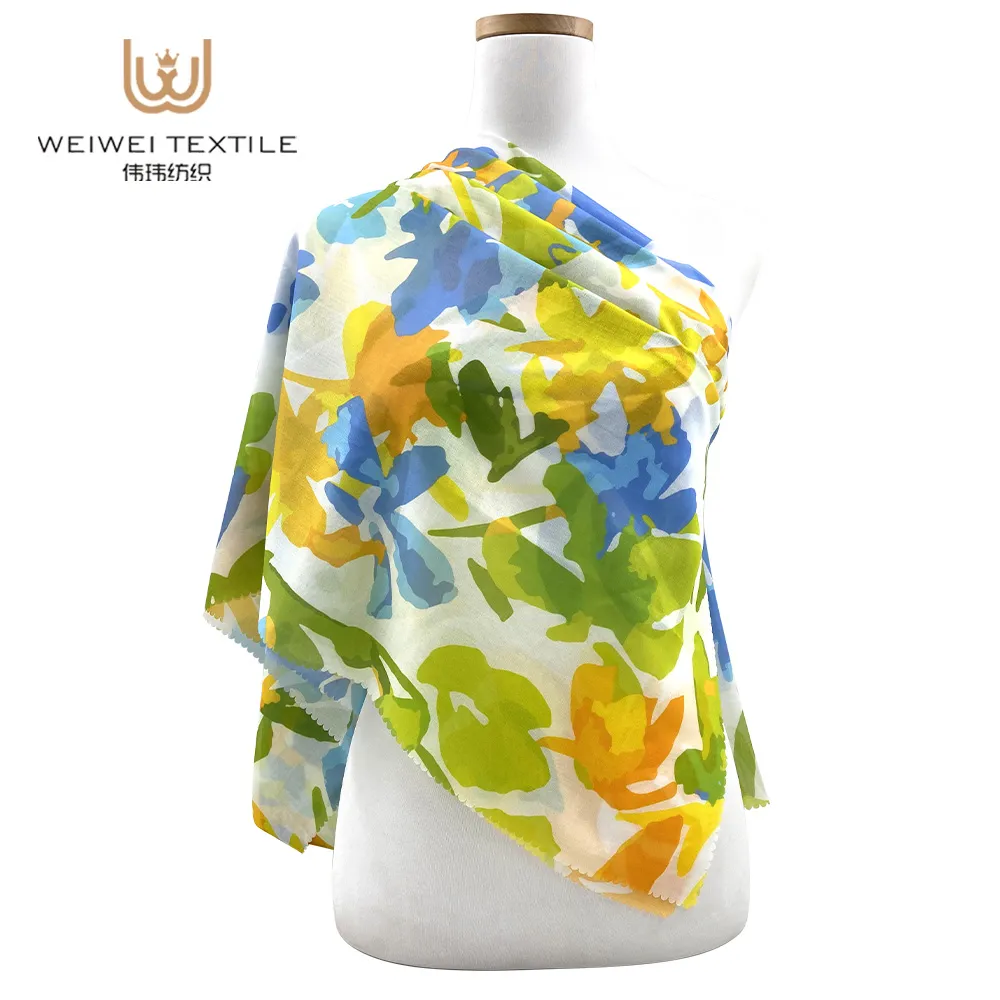
Cotton Voile Scarf Manufacturing and Performance Analysis how to make a cotton voile scarf
2026-11-02
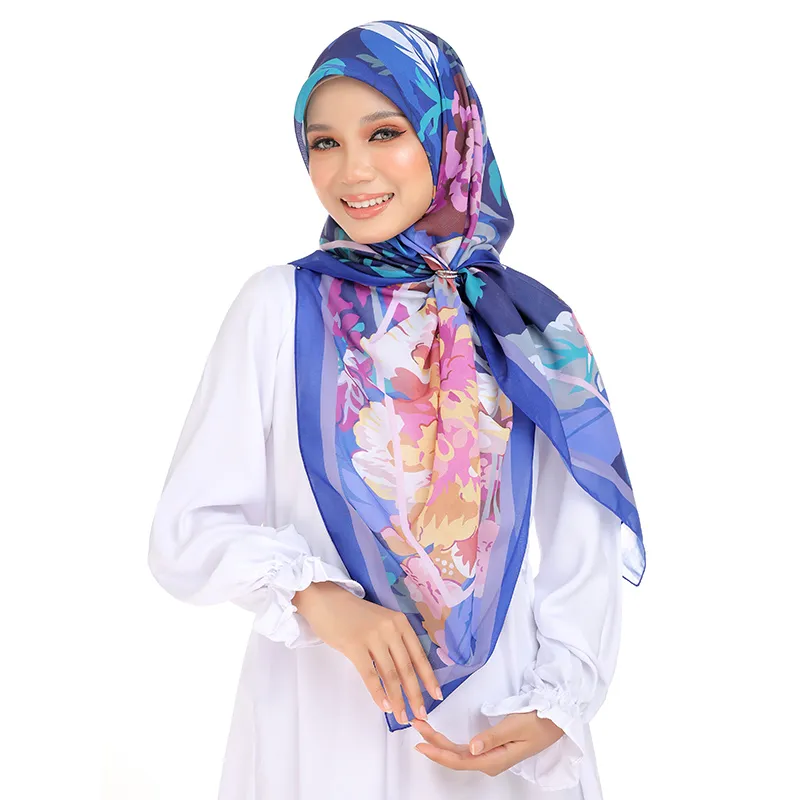
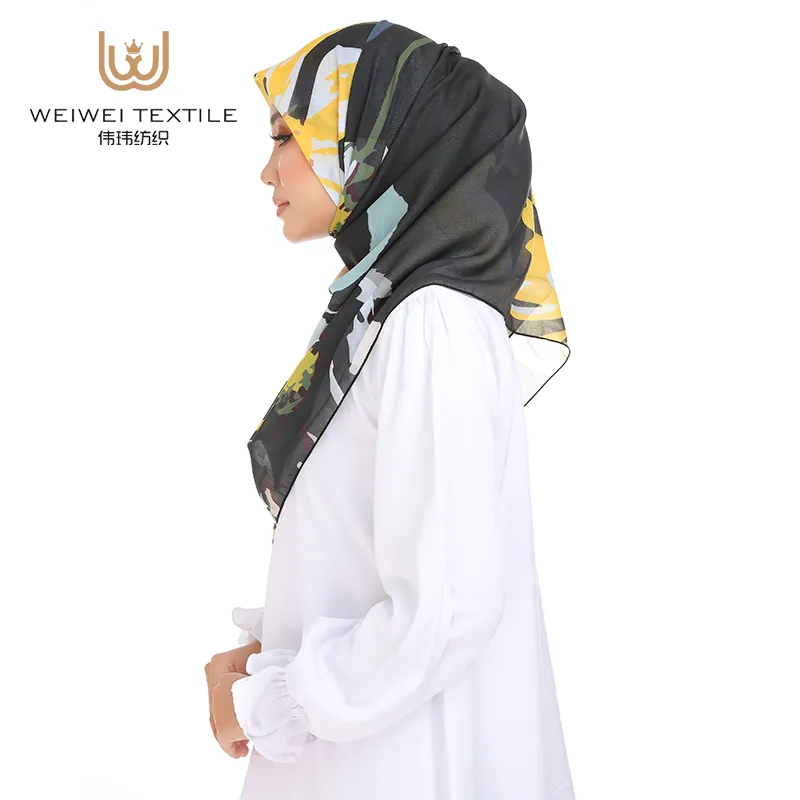
chiffon hijab Technical Production and Performance Analysis
2026-10-28
custom silk scarf textile manufacturing and performance analysis
2026-10-26
Scarf Manufacturers Technical Production Analysis
2026-10-22
Voile Valance how to hang valance scarf swag voile Installation Analysis
2026-10-20
Voile Window Scarf Technical Manufacturing and how to make a voile window scarf
2026-09-21
2026-10-20
Voile Valance how to hang valance scarf swag voile Installation Analysis
Creating a soft, romantic drape over windows often comes down to the precise technique of layering lightweight fabrics. For many interior designers and homeowners, the challenge is not just selecting the fabric, but mastering how to hang valance scarf swag voile to achieve that effortless, airy aesthetic without the fabric sagging or looking uneven.
Voile, known for its semi-sheer nature and delicate weave, is the ideal medium for "swagging"—the art of draping fabric in a curved, sweeping motion. However, because voile is so lightweight, it requires specific anchoring methods to maintain its shape over time, especially when used as a decorative valance.
This guide examines the structural requirements for voile swags, the tools necessary for a professional finish, and how to select the right textile weight to ensure your window treatments look intentional and polished.
The Mechanics of Voile Drapery
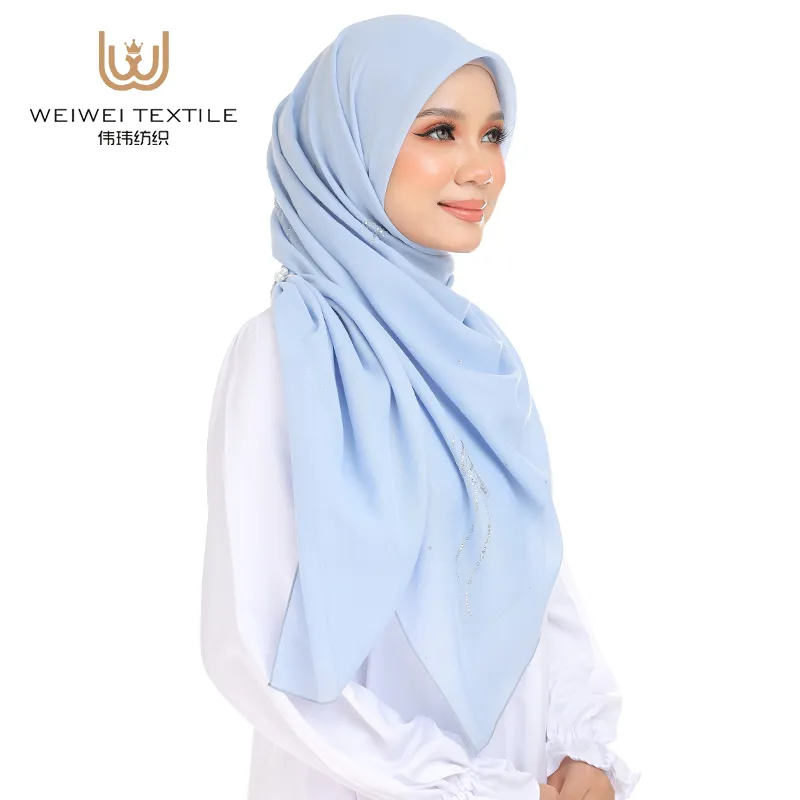
Voile is a soft, sheer fabric typically made from 100% cotton or a polyester blend. Its primary technical characteristic is its "plain weave," which allows for significant breathability and a translucent quality. When used in a scarf swag configuration, the fabric's low density allows it to fold into tight, clean pleats without adding bulk, creating a "cloud-like" effect.
The physics of a swag depends on the tension between the two anchor points and the gravity acting on the center of the fabric. Because voile is so light, the "arc" of the swag is more susceptible to air currents, meaning the method of securing the ends is critical to prevent the fabric from shifting.
Essential Tools for Swag Installation
To successfully execute a valance scarf swag, the hardware must be discreet yet strong. Most professional installations utilize small, heavy-duty drapery hooks or "pin-hooks" that can be inserted into a curtain rod or screwed directly into the window frame. For voile, which can be prone to snagging, using rounded-tip pins is highly recommended to maintain the integrity of the weave.
In addition to hooks, clear nylon thread or discreet fabric ties are used to "train" the fabric. By tying the voile at specific intervals along the top edge, you can control exactly where the fabric dips, ensuring a symmetrical curve across the window span.
Lastly, a high-quality steamer is indispensable. Voile often arrives with fold lines from packaging; since the beauty of a swag lies in its fluid movement, any sharp creases will break the visual line and make the installation look amateur.
Step-by-Step Hanging Techniques
The process begins with determining the "drop" of the swag. This is the distance from the top anchor point to the lowest point of the curve. For a standard window, a drop of 8 to 12 inches is typical. The fabric should be cut approximately 1.5 times the width of the window to allow for the necessary fullness and folding.
The secret to a professional voile swag is the 'pinch and pin' method: rather than hanging the fabric flat, pinch small sections of the top edge into pleats and secure them with pins. This creates the vertical volume that prevents the voile from looking like a flat sheet.
Once the ends are secured, the fabric is draped across the center. The "scarf" effect is achieved by twisting the fabric slightly as it meets the anchor point, creating a gathered look. Final adjustments are made by manually arranging the folds and using a steamer to relax the fabric into its natural, sweeping arc.
Material Performance Indices
When choosing a fabric for a valance, the balance between "drape-ability" and "structural memory" is key. Pure cotton voile offers a more natural look but may stretch over time. Polyester-blend voile, often found in high-volume production, maintains its shape better and is more resistant to wrinkling, which is why it is frequently preferred for commercial installations.
Comparing voile to other sheer fabrics like chiffon or satin reveals why voile is the gold standard for swags. Its slightly coarser weave provides just enough friction to hold a pin in place, whereas satin is often too slippery, causing the swag to slide and lose its form.
Figure 2. Fabric Suitability for Scarf Swags
Application Scenarios for Voile Swags
In a typical residential bedroom, voile swags are often paired with heavier blackout curtains. The voile provides a soft decorative layer that allows filtered light to enter the room during the day while the heavier curtains provide privacy at night. This layered approach creates a depth of texture that is highly valued in traditional and neoclassical interior design.
For hospitality settings, such as hotels or spas, the use of voile is focused on creating a sense of serenity. Large-scale windows are often treated with multiple overlapping swags. In these environments, the durability of the fabric is paramount. Manufacturers like Xinji Weiwei Textile focus on consistent weaving and neat edges to ensure that these high-traffic installations remain pristine over years of use.
Avoiding Common Installation Failures
One of the most common mistakes is underestimating the amount of fabric needed. If the fabric is too narrow, the swag will look stretched and lose its luxurious "fullness," appearing more like a tight string than a soft drape. Always ensure a minimum of 50% extra width over the actual window measurement.
Another frequent issue is "pin-slippage." Because voile is a loose weave, pins can slowly migrate through the fabric under the weight of the drape, leading to a lopsided valance. To prevent this, designers often sew a small "header" tape or a reinforced seam at the top edge of the voile scarf to provide a solid anchor for the pins.
Finally, improper tensioning can lead to an asymmetrical look. The best way to ensure balance is to mark the exact center of the window and the center of the fabric, pinning the midpoint first and working outward toward the corners.
Textile Selection Framework
Selecting the right voile depends on the desired balance of light filtration and structural integrity. While polyester voile is excellent for its wrinkle-resistance and color consistency, cotton voile offers a matte finish that is often preferred for rustic or organic interior styles.
The weight of the fabric, measured in GSM (grams per square meter), significantly impacts the fall of the swag. A lower GSM produces a more ethereal, floating look, while a higher GSM provides a more defined, architectural curve.
When sourcing fabric for large-scale projects, consistency in the weave is the primary quality marker. A uniform weave ensures that the light filters evenly across the entire valance, avoiding "streaking" or patches of opacity.
| Fabric Type | Drape Quality | Light Filtration | Maintenance |
|---|---|---|---|
| Cotton Voile | Natural / Soft | Semi-Sheer | High (Needs Ironing) |
| Polyester Voile | Fluid / Consistent | Sheer | Low (Wrinkle-Free) |
| Blend Voile | Balanced | Semi-Sheer | Medium |
| Heavy Voile | Structured | Translucent | Medium |
| Ultra-Sheer Voile | Ethereal | High Transparency | Low |
| Embroidered Voile | Weighted | Patterned Filter | High (Dry Clean) |
Questions & Answers
A scarf swag valance is a decorative window treatment where a lightweight fabric, such as voile, is draped in a sweeping, curved motion across the top of a window. Unlike structured valances, the scarf swag mimics the way a scarf is loosely wrapped or hung, creating a relaxed yet elegant aesthetic that adds softness to the room's architecture.
To prevent excessive sagging, use a "training" technique. This involves pinning the fabric at precise intervals along the top support rod rather than just at the corners. Additionally, selecting a polyester-blend voile can help, as it typically has more structural memory than 100% cotton, allowing the swag to hold its arc more effectively over time.
Yes, you can, but the results differ. Chiffon is typically more slippery and has a more dramatic, flowing drape. While beautiful, it is harder to pin and may slide off the supports. Voile is generally preferred for valances because its plain weave provides better grip for pins and a more stable, architectural curve.
The best tools include rounded-tip drapery pins to avoid snagging the sheer fabric, a handheld steamer to remove creases, and clear nylon thread for subtle adjustments. If you are mounting to a wall, small screw-in hooks are more reliable than adhesive clips, which may fail under the constant tension of the draped fabric.
As a general rule of thumb, you should purchase fabric that is 1.5 to 2 times the width of your window. This ensures there is enough material to create the deep folds and fullness required for a professional look. If the fabric is too narrow, the swag will look thin and lose its characteristic volume.
Standard voile is not designed for outdoor use as it lacks UV protection and is highly susceptible to wind damage. For outdoor settings, you should look for a specialized outdoor-grade sheer polyester that is treated for weather resistance. Standard indoor voile will fade and degrade quickly if exposed to direct sunlight and moisture.
Final Thoughts
Mastering the art of the voile scarf swag is a balance between textile knowledge and installation precision. By understanding the relationship between fabric weight and drape, and utilizing the "pinch and pin" method, anyone can transform a plain window into a focal point of elegance.
Whether sourcing high-quality materials from specialized manufacturers or implementing these techniques in a home DIY project, the goal remains the same: creating a fluid, airy atmosphere that enhances the natural light of a space while maintaining structural stability.
Products
Related Products
News
Related News
2026-11-02
Cotton Voile Scarf Manufacturing and Performance Analysis how to make a cotton voile scarfCreating a professional-grade cotton voile scarf requires a precise balance of textile engineering and artisanal finishing. Unlike standard cotton weaves, voile is defined by its p···
2026-10-28
chiffon hijab Technical Production and Performance AnalysisSelecting the right fabric for a hijab involves a delicate balance between modesty, breathability, and aesthetic drape. For many women in Southeast Asia and the Middle East, the ma···
2026-10-26
custom silk scarf textile manufacturing and performance analysisSelecting a high-quality scarf is no longer just about color matching; it is an exercise in understanding how textile weight, drape, and print scale interact with individual facial···