satin scarf for hair Textile Mechanics and Performance Analysis

Latest Articles
satin scarf for hair Textile Mechanics and Performance Analysis
2026-11-04

Cotton Voile Scarf Manufacturing and Performance Analysis how to make a cotton voile scarf
2026-11-02

chiffon hijab Technical Production and Performance Analysis
2026-10-28

custom silk scarf textile manufacturing and performance analysis
2026-10-26
Scarf Manufacturers Technical Production Analysis
2026-10-22

Voile Valance how to hang valance scarf swag voile Installation Analysis
2026-10-20
2026-11-04
satin scarf for hair Textile Mechanics and Performance Analysis
The adoption of a satin scarf for hair has transitioned from a purely aesthetic choice to a functional necessity for those prioritizing hair health. By reducing friction against the hair shaft during sleep or daily wear, these accessories mitigate the common issues of breakage and frizz that plague traditional cotton alternatives.
In the broader context of the textile industry, specifically within the specialized sector of cotton and synthetic finishing, the shift toward satin weaves represents a response to an increasing consumer demand for "skin-friendly" and "hair-safe" materials. This trend is driven by a deeper understanding of how textile surfaces interact with biological fibers.
Understanding the technical nuances of fabric construction, weight, and finish is essential for wholesalers and retailers seeking to provide high-value products. This article examines the industrial logic behind satin hair accessories and how material selection influences the final outcome.
Textile Mechanics of the Satin Weave
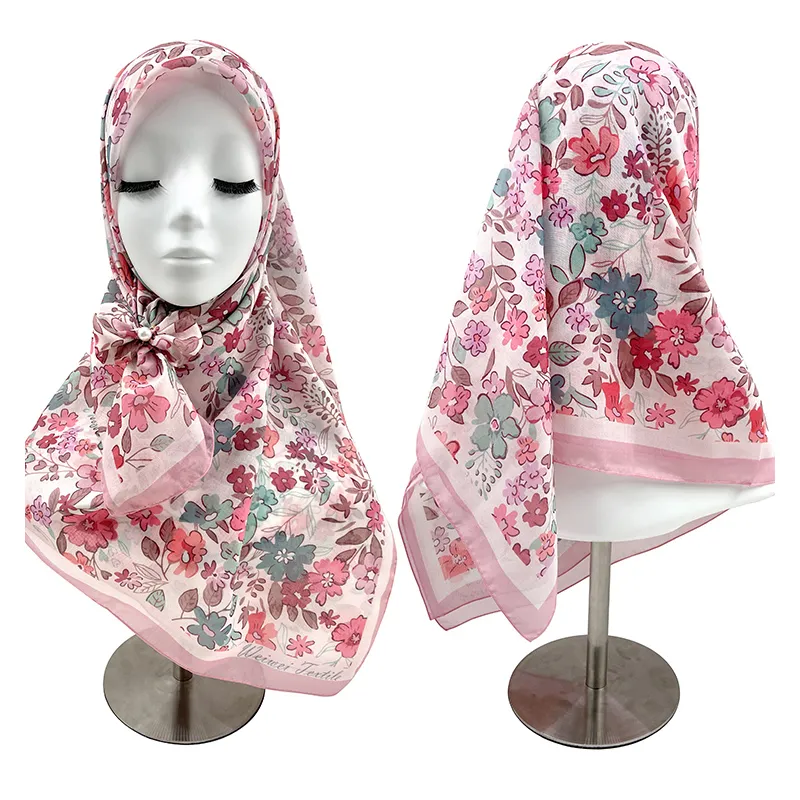
Satin is not a fiber but a weaving technique. It is characterized by "floats"—yarns that jump over several weft threads before interlacing. This structure minimizes the number of intersections on the fabric surface, resulting in the signature smoothness and high luster associated with a professional satin scarf for hair.
From a manufacturing perspective, this weave requires high-tenacity yarns to maintain stability, as the fewer interlacing points can make the fabric more prone to snagging if not processed with precision. This is why quality control in the finishing stage is critical to ensure the fabric remains durable while maintaining its low-friction properties.
Material Evaluation and Performance Metrics
When evaluating materials for hair scarves, the industry typically looks at three primary metrics: breathability, moisture retention, and surface smoothness. While traditional silk is the gold standard, modern synthetic satins and high-grade cotton-blended satins provide a balance of durability and performance that is more suitable for mass-market wholesale.
For instance, the use of digital printing on these surfaces allows for intricate designs without compromising the smoothness of the fabric. The ink must be integrated into the fiber rather than sitting on top as a thick layer, which would otherwise increase surface friction and defeat the purpose of the satin weave.
The weights of the fabric, often measured in GSM (grams per square meter), determine the drape. A scarf that is too heavy may slide off the head easily, while one that is too light may lack the structural integrity to stay tied securely. Finding the optimal weight is a core part of the R&D process in textile manufacturing.
Friction Coefficients and Hair Integrity
The primary technical advantage of a satin surface is the reduction of the coefficient of friction. When hair slides against a rough surface, such as cotton or linen, the cuticles of the hair shaft can be lifted or chipped, leading to split ends and moisture loss.
Surface smoothness in hair textiles is measured by the absence of microscopic irregularities. A high-quality satin finish ensures that the hair glides over the fabric, preserving the natural lipid layer of the hair shaft and preventing mechanical damage.
This principle extends to the edges of the product. A neat, professional edge finish prevents the fabric from fraying, which could otherwise create small loops of thread that snag the hair. Precision in the final processing workshop is what separates industrial-grade accessories from consumer-grade ones.
Relative Performance Comparison
Comparing different textile finishes reveals why the satin weave is preferred for hair protection. By analyzing factors such as friction levels, moisture absorption, and durability, we can create a relative index to guide procurement decisions.
The following illustrative model demonstrates how various fabric types score across key performance indicators relevant to hair health and accessory longevity.
Figure 2. Textile Suitability Index for Hair Care
Commercial Application Scenarios
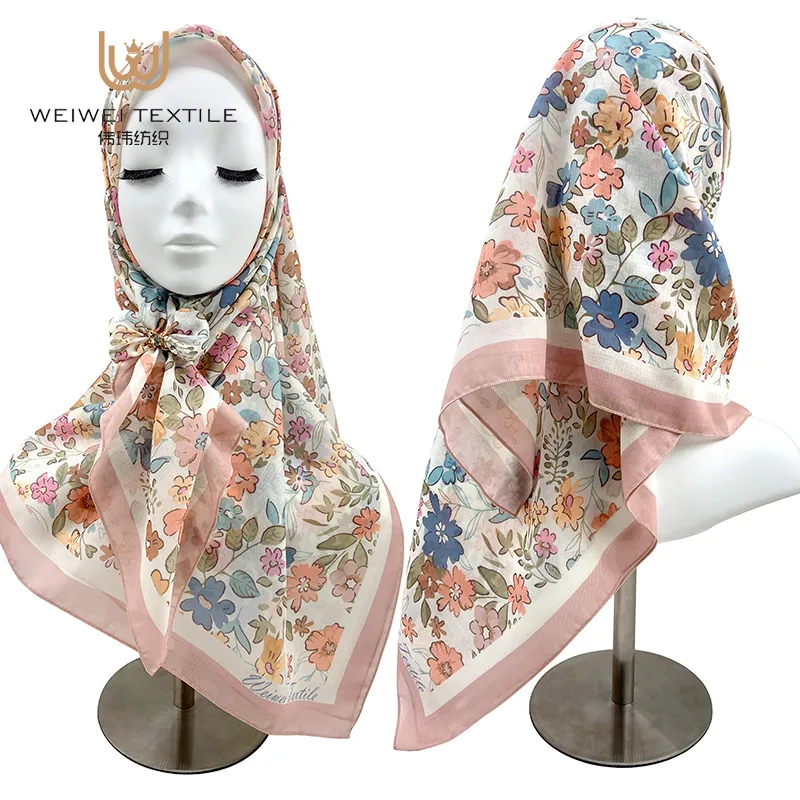
In a typical retail setting, a satin scarf for hair is marketed as both a fashion statement and a wellness tool. For wholesalers, providing a variety of patterns—such as floral or geometric designs—allows them to target different demographics, from the luxury boutique buyer to the practical health-conscious consumer.
Another critical scenario is the OEM customization process. Companies often require the integration of their own logos or specific dimensions (such as 115x115cm) to align with their brand identity. The ability to produce small-batch customized orders (MOQ of 10 pieces) allows retailers to test new designs before committing to mass production.
Emerging Trends in Hair-Care Textiles
The industry is moving toward a convergence of traditional cultural attire and modern hair-care science. For example, the influence of Malaysian and Sudanese styles has led to a demand for larger, more versatile wraps that combine the elegance of the Sudan Toub with the hair-protective properties of satin.
Sustainability is also becoming a primary driver. There is an increasing shift toward recycled polymers and organic cotton blends that can be woven into satin structures. The challenge for manufacturers is to maintain the same low-friction coefficient while using more eco-friendly raw materials.
Furthermore, the integration of digital printing has revolutionized the speed at which trends can be implemented. Floral and animal patterns can now be updated in real-time based on market data, reducing inventory waste and allowing for a more agile supply chain.
Selection Framework for Professional Buyers
Selecting the right supplier requires a balance between production capacity and quality control. A facility that integrates weaving, printing, and finished product processing can offer better consistency and faster lead times than a fragmented supply chain.
Professional buyers should prioritize factories that provide pre-production samples and final inspections before shipment. This ensures that the actual luster and hand-feel of the satin match the specifications, as these qualitative factors are difficult to verify via digital catalogs.
The following table provides a decision-making framework for choosing the appropriate fabric finish based on the intended end-use and customer requirement.
| Material Type | Friction Level | Breathability | Primary Use Case |
|---|---|---|---|
| Premium Satin | Very Low | Moderate | Overnight Protection |
| Cotton Voile | Moderate | High | Daily Daytime Wear |
| Pure Chiffon | Low | High | Formal Accessories |
| Polyester Blend | Low | Low | Budget-Friendly Retail |
| Pure Silk | Lowest | Moderate | Luxury Wellness |
| Satin Voile Mix | Low | Moderate | Versatile Hijabs |
Questions & Answers
The difference lies in the weave structure. A standard polyester scarf typically uses a plain weave, where yarns intersect frequently, creating a flatter and rougher surface. A satin scarf uses a floating weave, where the warp yarns pass over several weft yarns, creating a smooth, slippery surface that minimizes friction against hair fibers.
During sleep, the head moves constantly against the pillow or headwrap. Rough fabrics like cotton pull on the hair shaft, which can lead to tangles and breakage. Satin allows the hair to slide effortlessly, reducing the mechanical tension on the roots and the cuticle, thereby preserving hair integrity.
Buyers should seek manufacturers with integrated production lines, including weaving and digital printing. Key indicators of quality include the neatness of the edges (hem stitching), the consistency of the color across the fabric, and the ability to provide pre-production samples for quality verification.
If the printing process uses thick, plastisol-style inks, it can create a tactile ridge on the fabric, increasing friction. However, high-quality digital printing dyes the fibers themselves, maintaining the inherent smoothness of the satin weave while allowing for complex, vivid patterns.
Size depends on the application. A 115x115cm square is ideal for full head coverage and versatile tying styles, which is particularly important for those with thick or curly hair who need more fabric to secure the wrap without creating excessive bulk or tension.
The most common misconception is that all "shiny" fabrics are satin. Some fabrics are simply coated with a glossy finish, which may wear off over time. True satin is a result of the weave structure itself, meaning the smoothness is a permanent physical characteristic of the fabric, not a temporary surface treatment.
Final Thoughts
The transition of the satin scarf for hair from a niche accessory to a global wellness staple highlights the growing intersection of textile engineering and personal care. For those in the manufacturing and wholesale sectors, the focus must remain on the technical precision of the weave and the quality of the finish to ensure the product delivers on its promise of hair protection.
As consumer expectations evolve toward sustainable and highly customizable products, the ability to blend traditional craftsmanship with modern digital production will define the successful textile providers of the future.
Products
Related Products
News
Related News
2026-11-04
satin scarf for hair Textile Mechanics and Performance AnalysisThe adoption of a satin scarf for hair has transitioned from a purely aesthetic choice to a functional necessity for those prioritizing hair health. By reducing friction against th···
2026-11-02
Cotton Voile Scarf Manufacturing and Performance Analysis how to make a cotton voile scarfCreating a professional-grade cotton voile scarf requires a precise balance of textile engineering and artisanal finishing. Unlike standard cotton weaves, voile is defined by its p···
2026-10-28
chiffon hijab Technical Production and Performance AnalysisSelecting the right fabric for a hijab involves a delicate balance between modesty, breathability, and aesthetic drape. For many women in Southeast Asia and the Middle East, the ma···
